
When your air conditioner struggles to keep up with a Florida summer but the system is still technically running, most people assume the only solution is a full replacement. That assumption costs property owners thousands of dollars they don’t need to spend. An HVAC retrofit is the process of upgrading specific components of an existing system rather than replacing the entire unit, and it can deliver dramatically improved performance, lower energy bills, and better indoor comfort. This article explains how retrofits work, when they make sense, and how to avoid the costly mistakes we see homeowners and business owners make every day in Southwest Florida.
Table of Contents
- What is an HVAC retrofit?
- How the HVAC retrofit process works
- When is HVAC retrofit the right solution?
- Benefits and challenges of HVAC retrofits
- The real key to successful HVAC retrofits in Florida
- Ready to improve your comfort and efficiency?
- Frequently asked questions
Key Takeaways
| Point | Details |
|---|---|
| Targeted upgrades | HVAC retrofits focus on upgrading specific system parts for efficiency and comfort instead of full replacement. |
| Step-by-step process | A proper retrofit follows careful assessment, planning, and professional commissioning to ensure the best results. |
| Custom solutions | Not every building or home is a retrofit candidate—success depends on system health, ductwork, and energy needs. |
| Major benefits | Retrofitting can cut energy costs, improve indoor air, and boost comfort when done properly. |
| Expert guidance matters | Qualified local expertise and accurate load calculations are key to a retrofit’s long-term payoff. |
What is an HVAC retrofit?
A retrofit is not a repair and it is not a full replacement. It is a targeted set of upgrades designed to make your existing system perform closer to modern standards. Think of it the way you might think about renovating a kitchen. You are not tearing out the walls, but you are replacing the appliances, improving the layout, and making the space dramatically more functional.
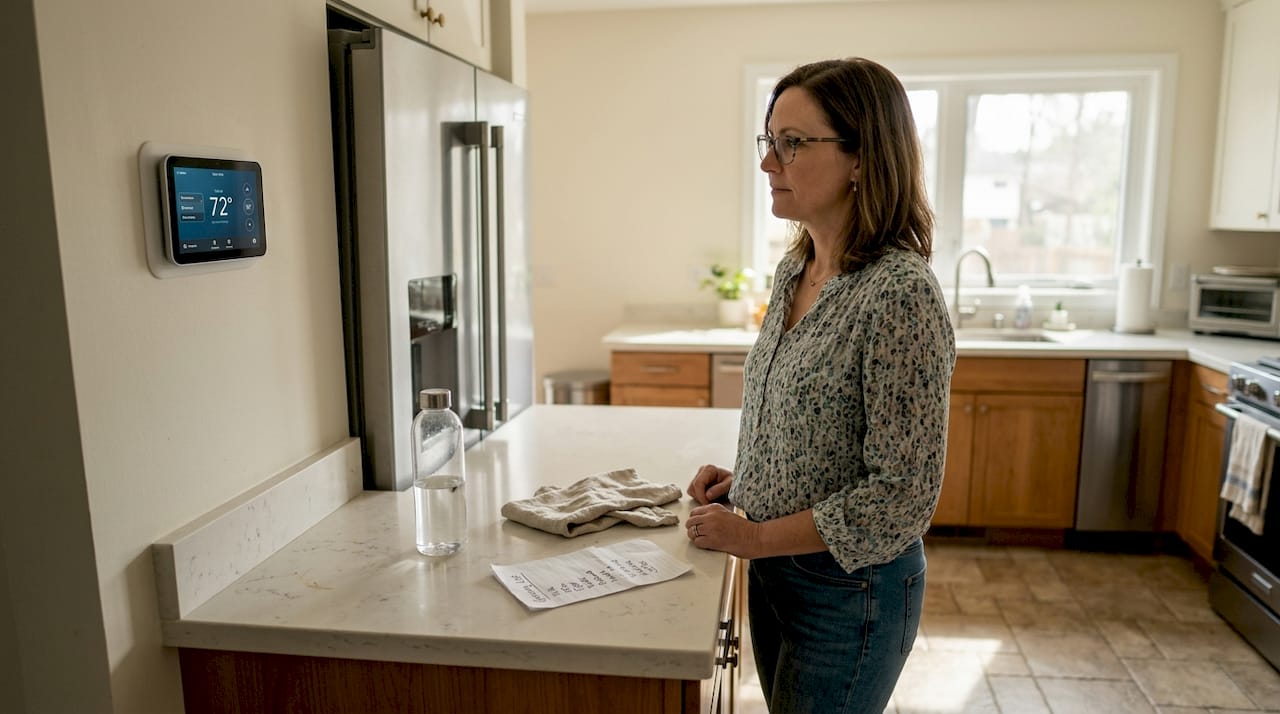
According to industry guidance, an HVAC retrofit involves upgrading or modifying specific components to improve energy efficiency, performance, comfort, and compliance with modern standards, without replacing the entire system. This distinction matters because the structural bones of a well-built system, including the refrigerant lines, the physical air handling cabinet, and the ductwork trunk lines, can often last decades longer than the efficiency ratings they were designed around.
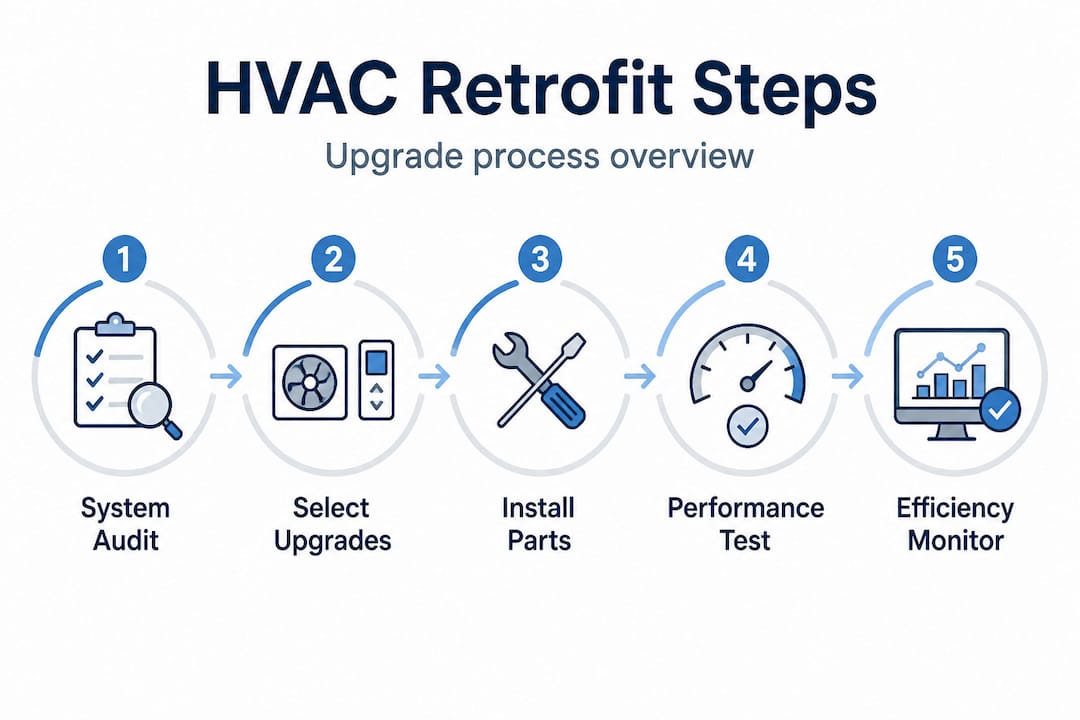
Who benefits most from retrofits? Homeowners whose systems are 10 to 18 years old, still running but burning more electricity than they should. Commercial property owners in Fort Myers or Cape Coral who want to reduce utility overhead without shutting down operations for a full replacement. Buildings that have already had renovations but still carry legacy HVAC controls or older single-speed equipment.
The cleanest way to compare your options is side by side:
| Factor | Retrofit | Full replacement |
|---|---|---|
| Upfront cost | Lower | Higher |
| Installation disruption | Minimal | Significant |
| System downtime | Hours to days | Days to weeks |
| Preserves existing structure | Yes | No |
| Achieves modern efficiency | Partially to fully | Fully |
| Best when system is | Functional but outdated | Failing or undersized |
When you explore an upgrade HVAC system guide, you will see that the most common retrofit components include the following upgrades:
- Smart or programmable thermostats
- Variable-speed fan drives and motors
- Duct sealing, insulation, or re-routing
- Zoning dampers and controls
- Advanced filtration and humidity control modules
- Updated electrical controls and safety switches
- Refrigerant conversion to modern refrigerant types
“Retrofitting an existing system is often the highest-value investment a building owner can make. You are leveraging the infrastructure already in place while closing the performance gap with newer technology.” — Industry insight from Rimkus Engineering
How the HVAC retrofit process works
Retrofitting is not something a technician figures out on the spot. A proper retrofit follows a disciplined process, and skipping steps is exactly what leads to systems that still underperform after a costly upgrade. Here is what the process looks like from start to finish.
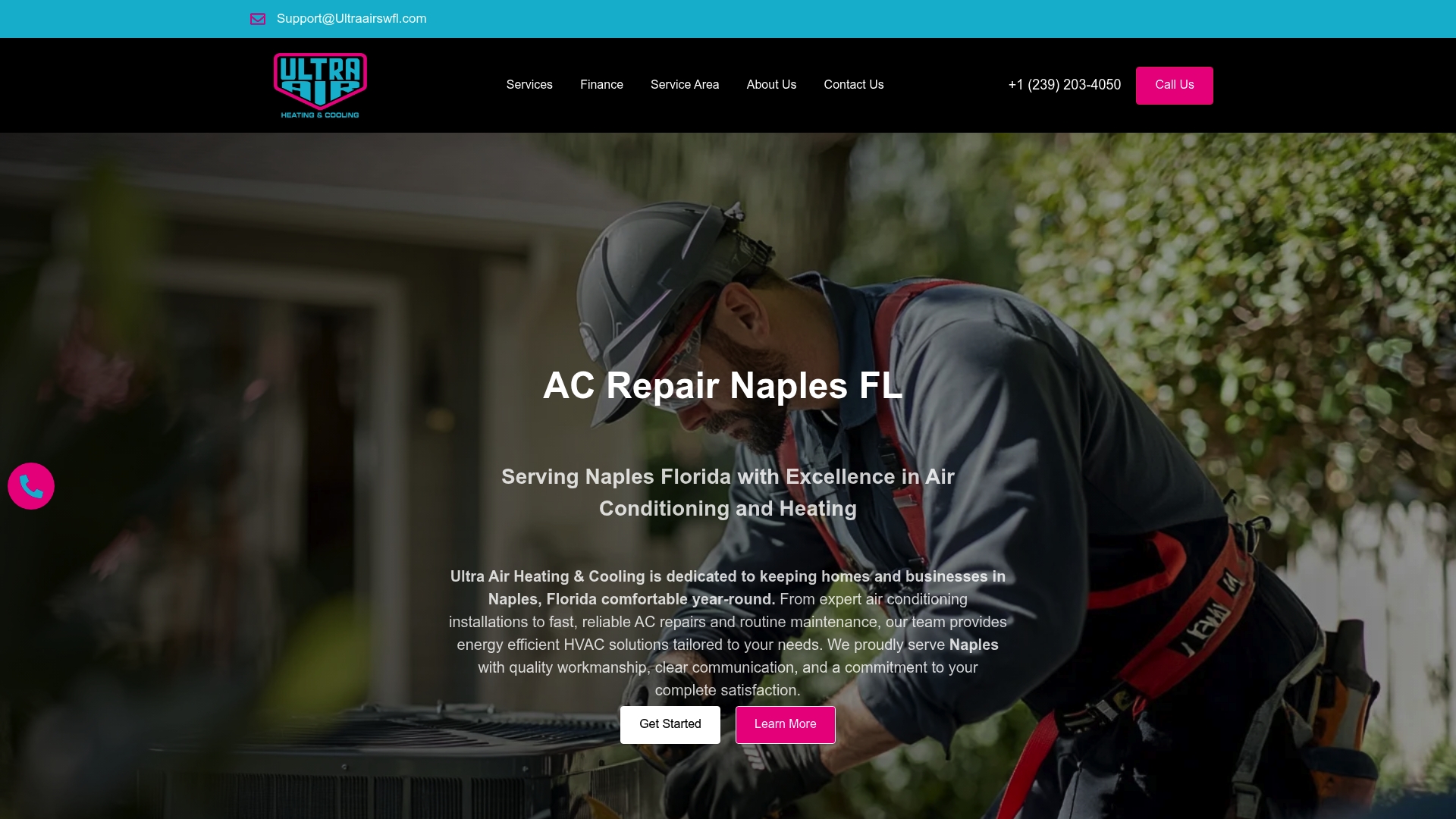
The retrofit process typically involves assessment, load calculation, planning, permitting, phased installation, commissioning, and testing. Each stage builds on the one before it.
-
System assessment. A qualified technician inspects all existing equipment, ductwork, insulation, electrical panels, and controls. This is where you find out what is working, what is failing, and what is simply outdated.
-
Load calculation. This is where many contractors cut corners and where most retrofit failures begin. A proper Manual J load calculation accounts for your building’s square footage, ceiling height, window area, insulation values, and local climate data. For Southwest Florida, that means factoring in intense humidity and prolonged heat. Guessing based on tonnage rules of thumb is a guaranteed path to an oversized or undersized system.
-
Retrofit plan and specifications. With real data in hand, the contractor maps out exactly which components will be replaced or added, what the expected efficiency gains are, and how the work will be sequenced.
-
Permitting. Depending on the scope, you will likely need permits. The HVAC permitting process protects you and ensures the work meets local code. Any refrigerant change or capacity adjustment almost always triggers a permit requirement. Never let a contractor skip this step.
-
Phased installation. For commercial projects especially, work is staged so that critical areas stay functional. For residential, most work happens in a single planned visit or over two days.
-
Commissioning and testing. This step is where the upgraded system is verified to perform as designed. Proper HVAC commissioning includes airflow measurements, refrigerant charge verification, control sequence testing, and temperature readings across all zones.
Pro Tip: Always ask your contractor to provide the Manual J report before work begins. If they cannot produce one, that is a serious warning sign. Smarter retrofits start with data, not gut instinct, and the best contractors in Southwest Florida know the difference.
When is HVAC retrofit the right solution?
Retrofitting works well in many situations, but it is not a universal fix. Knowing when to pursue a retrofit and when to consider other options saves you time, money, and frustration.
Here is a quick comparison of scenarios where retrofits work versus where they do not:
| Scenario | Retrofit appropriate? |
|---|---|
| System is 10 to 18 years old, functional | Yes |
| Ducts are in good condition, low leakage | Yes |
| Commercial building wants to phase upgrades | Yes |
| System is over 20 years old and failing | No, consider replacement |
| Duct leakage exceeds 25% | No, redesign needed |
| Post-renovation load has significantly increased | Evaluate carefully |
| Inadequate electrical panel for modern equipment | No, electrical upgrade first |
Florida adds unique layers to this decision. Humidity in Naples and Fort Myers is relentless from May through October. If your existing ductwork was never properly sealed, the system may be pulling unconditioned humid air from your attic into your living space all year long. Upgrading the air handler without fixing duct leaks first is like replacing your car’s engine while leaving a hole in the fuel tank.
Edge cases for Florida retrofits include older homes with undersized or leaky ducts with more than 25% leakage, inadequate electrical systems, structural access limitations, and post-renovation load changes. In these situations, a ductless mini-split or a full system redesign may be the better path.
When evaluating your options, watch for these red flags that indicate a retrofit may not be enough:
- Visible mold or moisture damage inside the air handler or ducts
- Refrigerant type that is no longer available or extremely expensive (R-22 systems)
- Ductwork routed in inaccessible areas with no room for sealing
- Electrical panel already at capacity with no room for additional circuits
- System capacity dramatically mismatched with post-renovation square footage
For Southwest Florida property owners, the right starting point is understanding which HVAC systems best fit Florida homes before committing to any upgrade strategy. The Florida HVAC retrofit trends in 2026 show a strong move toward variable-speed technology and integrated humidity control, both of which can often be achieved through retrofitting rather than full replacement.
Benefits and challenges of HVAC retrofits
Understanding both sides of the equation helps you set realistic expectations before writing a check.
Top benefits of retrofitting:
- Lower energy bills. Variable-speed motors and smart controls can reduce energy consumption by 20 to 40 percent compared to older single-speed equipment.
- Improved comfort. More precise temperature and humidity control eliminates the hot and cold spots that plague older systems.
- Better indoor air quality. Adding advanced filtration, UV systems, or improved humidity control directly improves the air your family or tenants breathe every day.
- Code compliance. Many older systems use outdated refrigerants or controls that no longer meet current standards. Retrofitting brings you into compliance without a full teardown.
- Extended equipment life. Upgrading high-wear components like motors, controls, and coils can add years of useful life to the rest of the system.
Common challenges you should plan for:
- Integration complexity. Not all new components play well with legacy systems. A skilled contractor will identify compatibility issues upfront, not mid-project.
- Upfront investment. While cheaper than full replacement, a meaningful retrofit still requires real budget. Fortunately, HVAC financing options are available to help spread that cost over time.
- Permitting requirements. Larger retrofits trigger permits, inspections, and sometimes code upgrades that add cost and time.
Integration complexity, high upfront costs, and permitting hurdles are the top challenges, but for most Southwest Florida homes and businesses, the energy savings, comfort gains, and improved air quality make retrofitting a strong investment when the underlying system is sound.
Pro Tip: If a full retrofit feels financially out of reach, ask your contractor about a phased approach. Start with the highest-impact upgrades like smart controls and duct sealing, then add variable-speed components in phase two. HVAC zoning benefits alone can make a significant difference in a home with rooms that are always too hot or too cold, and zoning hardware is often a standalone first phase.
The real key to successful HVAC retrofits in Florida
Here is something most sources will not tell you directly: the majority of HVAC retrofits that fail to deliver expected results do not fail because of bad equipment. They fail because someone skipped the evaluation phase.
We see this pattern repeatedly in Southwest Florida. A property owner calls because their energy bills are still high after a recent upgrade. When we look at the work history, the previous contractor replaced a compressor or added a smart thermostat but never touched the ductwork. The new thermostat is sending perfect signals, but 30 percent of the conditioned air is still leaking into the attic. The homeowner spent real money and got minimal return.
The most honest advice we can give you is this: only pursue a retrofit when you have a contractor willing to start with data. That means a proper Manual J calculation, a duct leakage test, and a clear written report before a single component is purchased. Any contractor who hands you a quote on the same day they first walk through your home is working from assumptions, not analysis.
Florida’s climate does not forgive shortcuts. The combination of heat, humidity, and year-round system operation means your HVAC works harder here than it would almost anywhere else in the country. The discomfort and energy waste you are trying to solve are almost always caused by something specific, whether it is duct leaks, poor controls, an undersized return, or an outdated refrigerant. A methodical evaluation finds the real problem. A guesswork retrofit just moves money around.
The best contractors treat your existing system as a puzzle to diagnose before they treat it as a product to sell against. When you find that kind of approach, a retrofit delivers exactly what it promises. If you want to go deeper on day-to-day strategies, the tips to maximize AC efficiency in Southwest Florida pair well with any retrofit project and give you ongoing control over your comfort and costs.
Ready to improve your comfort and efficiency?
At Ultra Air Heating and Cooling, we work with homeowners and commercial property owners across Naples, Cape Coral, and Fort Myers who are ready to stop overpaying for underperforming systems. A retrofit done right is one of the smartest investments you can make in your property, and we bring the local expertise and diagnostic discipline that Southwest Florida demands.
Whether you are exploring your first steps with our HVAC installation guide, ready to follow a full set of HVAC retrofit steps, or focused on how your upgrade can also improve indoor air quality, our team is here to give you a straight assessment without the guesswork. Contact us today to schedule a personalized evaluation and find out exactly what your system needs to perform at its best.
Frequently asked questions
What are the most common HVAC retrofit upgrades?
Typical upgrades include variable-speed fan drives, smart thermostats, ductwork repairs, and improved controls that boost energy savings. These component upgrades target the biggest sources of efficiency loss without requiring a full system teardown.
Does a retrofit always require building permits?
Permits are required whenever the retrofit changes system capacity, refrigerant type, or major electrical components. Minor upgrades like thermostat swaps typically do not trigger a permit requirement, but always confirm with your local jurisdiction.
How long does an average HVAC retrofit take?
Most residential retrofits wrap up within one to three days, depending on scope. Commercial projects use phased approaches to minimize operational disruptions, which can extend the timeline across several weeks.
Is a retrofit always cheaper than a full replacement?
Retrofits are usually the lower-cost option, but only when the core system is sound and worth upgrading. Very old or failing systems may reach a point where full replacement delivers better long-term value than investing in outdated infrastructure.
Can an HVAC retrofit improve indoor air quality?
Absolutely. A retrofit can add advanced filtration, whole-home dehumidification, UV air purification, and zoning controls, all of which contribute to healthier, more consistent indoor air quality year-round.