
Running your AC around the clock in Southwest Florida is not optional, it’s survival. From Naples to Fort Myers, summer heat pushes systems to their limits and electricity bills through the roof. The good news is that a few focused habits can cut cooling costs by a significant margin while keeping every room in your home genuinely comfortable. This article walks through the most effective, expert-backed air conditioning tips, from quick maintenance wins to smart thermostat settings, common problem prevention, and knowing when an upgrade actually makes financial sense.
Table of Contents
- Prioritize AC maintenance for top efficiency
- Smart thermostat and settings: The comfort multiplier
- Prevent common AC problems and improve air quality
- Upgrade your system for long-term savings
- The real secret: AC comfort is all about consistency
- Ready for reliable comfort? Get expert help
- Frequently asked questions
Key Takeaways
| Point | Details |
|---|---|
| Routine maintenance | Simple, regular checks and cleaning boost AC efficiency more than big upgrades. |
| Smart thermostat use | Optimal thermostat settings can lower energy bills without sacrificing comfort. |
| Clean air solutions | Regular filter and duct care improves both air quality and system performance. |
| Upgrade strategically | Consider system upgrades when repairs pile up or efficiency drops substantially. |
Prioritize AC maintenance for top efficiency
If you do only one thing to improve your AC’s performance, make it regular maintenance. It’s the single highest-return habit a Florida homeowner can build. Proper maintenance yields 10–20% efficiency gains, and filter and coil cleaning outperforms many expensive upgrades. That’s not a small number when you’re running your system eight or more months a year.
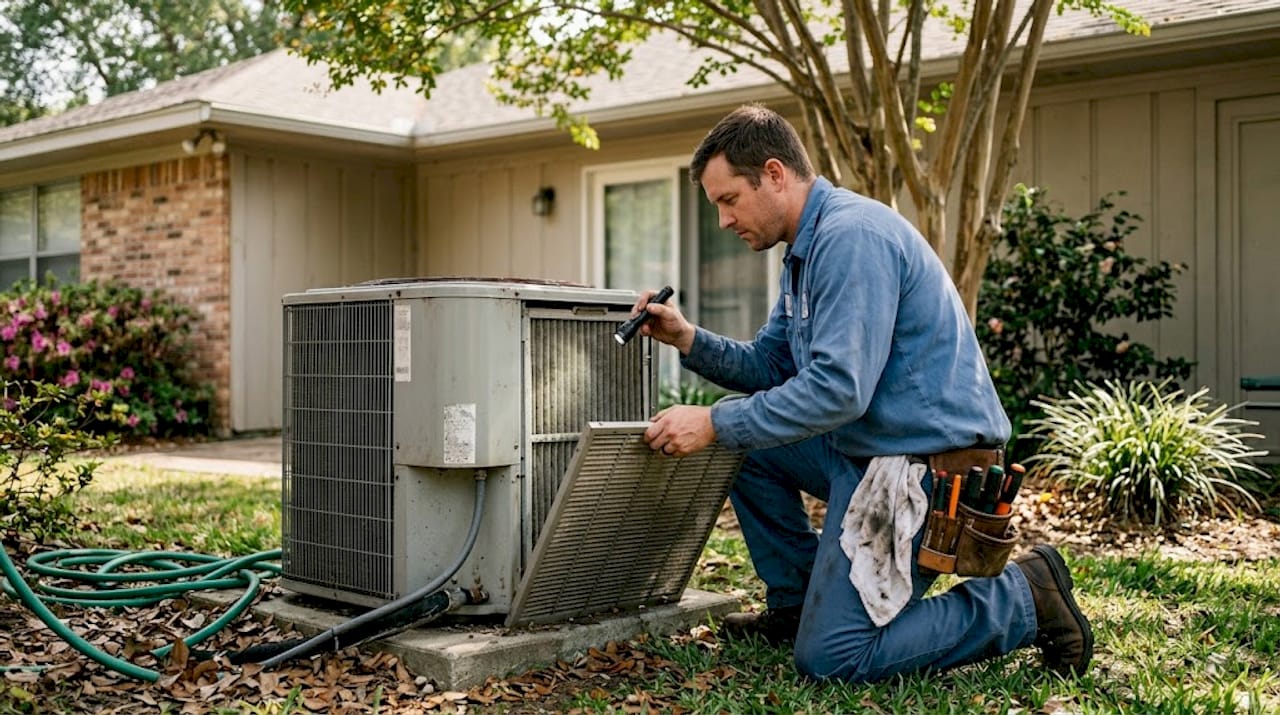
Think of your AC like a car engine. You wouldn’t skip oil changes and expect it to run well. The same logic applies here. Dirty components force your system to work harder, burn more electricity, and wear out faster. A well-maintained unit also controls humidity better, which in Southwest Florida is just as important as temperature.
Here are the most impactful maintenance steps to build into your routine:
- Replace your air filter every 30 days. Florida’s humidity and airborne debris clog filters fast. A dirty filter restricts airflow and forces the blower to strain.
- Clear debris from the outdoor unit. Leaves, grass clippings, and dirt block airflow around the condenser. Keep at least two feet of clearance around it.
- Schedule professional coil cleaning once a year. Evaporator and condenser coils accumulate grime that no homeowner tool can fully reach. A pro clean restores heat transfer capacity.
- Check and clean the condensate drain line. A blocked drain causes water backup, potential mold growth, and system shutdowns.
- Inspect refrigerant levels. Low refrigerant means poor cooling and compressor strain. Only a certified technician can legally handle this.
Pro Tip: Set a phone reminder on the first of every month to check your filter. Takes two minutes and prevents one of the most common reasons systems fail early.
Our DIY AC maintenance checklist breaks down each of these steps in detail for Southwest Florida conditions. You can also explore the benefits of regular maintenance to see how consistent upkeep translates to real dollar savings over time. For homeowners wanting location-specific guidance, our local maintenance tips cover what makes Naples and Fort Myers homes unique.
Neglecting maintenance doesn’t just cost you efficiency. It opens the door to breakdowns during the hottest weeks of the year when HVAC technicians are most in demand.
Smart thermostat and settings: The comfort multiplier
Beyond basic maintenance, the next biggest factor is how you control your home’s temperature. Most homeowners are leaving money on the table with outdated thermostats or settings that make their AC fight harder than necessary.
A programmable or smart thermostat automatically adjusts temperatures based on your schedule. Instead of cooling an empty house all day, it raises the temp while you’re out and brings it back down before you return. This alone can shave meaningful dollars off your monthly bill without any sacrifice in comfort.
Here’s a practical framework for Florida thermostat settings:
- 78°F when you’re home. This is the sweet spot that balances comfort and efficiency in humid climates.
- 82 to 85°F when away. Don’t turn it off completely. That forces a brutal recovery cycle when you return.
- Use ceiling fans. They make 78°F feel like 74°F by improving air circulation, so you can raise the set point without noticing.
- Never drop the thermostat below your target to cool faster. Your AC cools at one speed. Setting it to 70°F when you want 78°F just runs it longer and wastes energy.
- Position matters. Keep the thermostat away from lamps, sunny windows, and appliances that generate heat. A thermostat sensing false heat will run your AC unnecessarily.
Pro Tip: Pair a smart thermostat with a ceiling fan timer. Program the fan to run when the AC kicks on and stop 15 minutes after it shuts off. You’ll maximize the cooling effect without wasting fan energy.
Adjusting your thermostat by even 1-2 degrees can yield noticeable energy savings, especially compounded over a full Florida summer. Upgrading to a smart thermostat is one of the most cost-effective first steps in any energy-efficient cooling strategies plan. For homeowners who want to explore advanced thermostat controls, there are options that integrate with whole-home automation systems.
Avoid drastic temperature swings at all costs. Dropping the thermostat by 10 degrees when you get home strains the compressor, increases wear, and doesn’t actually cool your home faster.
Prevent common AC problems and improve air quality
Smart controls help, but the next challenge is keeping your AC running clean and trouble-free. Florida homes face specific threats: high humidity encourages mold in ducts, fine sand and pollen clog filters quickly, and salt air near the coast corrodes outdoor components faster than in most other states.
Filter changes and duct cleanliness directly impact efficiency and air quality, which means the two goals of saving money and breathing better air are tightly linked.
Here’s a comparison of the most common AC problems Florida homeowners face and how to handle them:
| Problem | Symptoms | Prevention strategy |
|---|---|---|
| Clogged air filter | Weak airflow, warm air, higher bills | Replace every 30 days |
| Dirty evaporator coils | Ice buildup, poor cooling | Annual professional cleaning |
| Blocked vents | Uneven room temps, system strain | Keep furniture away from vents |
| Clogged condensate drain | Water leaks, musty smell | Flush drain line monthly |
| Dirty ductwork | Dust, allergens, reduced airflow | Professional duct cleaning every 3-5 years |
Beyond preventing breakdowns, clean systems make a real difference in indoor air quality. Dust, pet dander, mold spores, and pollen circulate through your home every time the AC runs. Upgrading to a higher-rated MERV filter, adding UV air purifiers, or investing in upgrading ductwork can dramatically reduce airborne particles.
“In Southwest Florida, air quality isn’t a luxury concern. With humidity, pollen, and coastal particles in the mix, your AC is also your primary air filtration system. Treat it that way.”
For specific issues like your system blowing warm air, our guide on troubleshooting AC issues walks through step-by-step fixes. And for a broader look at how to run your system responsibly, our best AC practices page covers habits that protect your investment year-round.
Key air quality upgrades worth considering:
- MERV 8-11 rated filters for better particle capture
- UV germicidal lights installed in the air handler
- Whole-home dehumidifiers to control moisture at the source
- Regular duct inspections to catch mold or pest intrusion early
Upgrade your system for long-term savings
When maintenance and small fixes aren’t enough, consider strategic upgrades. This is especially relevant if your system is aging or if your utility bills have been creeping up despite consistent upkeep.
Investing in system upgrades can solve persistent issues and reduce energy bills substantially over time. But not all upgrades are equal. Here’s how to think through your options:
| Upgrade type | Best for | Typical payback period |
|---|---|---|
| Smart thermostat | Most homes | 1-2 years |
| Duct sealing and cleaning | Older homes with leaky ducts | 2-4 years |
| Zoned cooling system | Multi-story or large homes | 3-6 years |
| High-SEER unit replacement | Systems over 12-15 years old | 5-10 years |
Here’s a smart approach to evaluating whether an upgrade makes sense for your home:
- Check your system’s age. If it’s over 12 years old and needs a major repair, replacing it usually costs less over five years than fixing the old unit.
- Review your SEER rating. SEER measures efficiency. Older units rate 8-10 SEER. New Florida-compliant systems start at 15 SEER, which translates to real monthly savings.
- Consider zoning. Zoned systems let you cool the bedroom without cooling the garage. In larger Southwest Florida homes, this can cut cooling costs significantly.
- Get a duct assessment. Up to 30% of conditioned air can escape through leaky ducts. Sealing them is often one of the most overlooked high-return fixes.
Explore best HVAC system types to see which configuration fits your floor plan and budget. For homeowners weighing new technology options, our breakdown of latest HVAC trends covers what’s delivering real results in 2026. And if zoning sounds appealing, our guide on HVAC zoning explained makes the concept clear and practical.
Also worth noting: new high-efficiency systems in 2026 may qualify for federal tax credits. Check with your tax advisor and contractor to see what incentives apply to your specific situation.
The real secret: AC comfort is all about consistency
Here’s what we’ve learned from helping thousands of homeowners across Naples, Cape Coral, and Fort Myers: the homeowners with the lowest bills and the most comfortable homes are almost never the ones who bought the most expensive system. They’re the ones who do the simple things, every single time.
Clean filters. Steady thermostat settings. Annual coil cleaning. It sounds almost too basic, but consistent maintenance outperforms equipment upgrades for efficiency far more often than most people expect. We’ve seen brand-new systems underperform because the homeowner never changed a filter. We’ve also seen 10-year-old units running like new because someone cared for them properly.
The myth that a bigger system or a newer unit automatically means better results leads homeowners to overspend when the real problem is inconsistent habits. Humidity control, steady set points, and monthly filter changes are unglamorous. But they are what regular maintenance wins are built on. Resist the urge to reach for the expensive fix first. Start with the basics, do them consistently, and then upgrade strategically if problems persist.
Ready for reliable comfort? Get expert help
If you’re ready to put these tips into practice with expert support, Ultra Air Heating & Cooling is here to help Southwest Florida homeowners get the most from every cooling dollar. Our certified technicians handle everything from seasonal tune-ups and duct assessments to full system upgrades and indoor air quality solutions.
Stay ahead of Florida’s heat with our HVAC efficiency trends resources and explore proven home air quality solutions that work year-round. Need cleaner air and better airflow? Our professional duct cleaning service removes years of buildup and puts efficiency back where it belongs. Book a consultation today and get custom advice tailored to your home.
Frequently asked questions
How often should I change my air conditioner filter in Florida?
Change your AC filter every 30 days in Florida due to high humidity, dust, and pollen. Regular filter changes keep airflow strong and efficiency high year-round.
What temperature should I set my thermostat for maximum efficiency?
Set your thermostat to 78°F when at home and raise it to 82-85°F when you leave. Proper thermostat settings reduce runtime without sacrificing comfort on your return.
Is professional duct cleaning really worth it?
Yes, especially in Florida where humidity encourages mold and dust accumulation inside ducts. Duct cleanliness impacts both air quality and system efficiency directly.
When should I upgrade my AC unit?
If your system is over 12-15 years old, requires frequent repairs, or can’t keep up with summer demand, it’s time to evaluate a replacement. Upgrading an aging unit can cut long-term costs significantly compared to continued repairs.
Recommended
- Florida HVAC Trends: Boost Efficiency and Comfort in 2026
- How to Improve Your Home’s Comfort with Ultra Air Heating and Cooling in Cape Coral & SWFL – Ultra Air Heating and Cooling
- Best Practices for Ultra Air Heating and Cooling in Southwest Florida – Ultra Air Heating and Cooling
- Types of HVAC Systems: Best Fit for Florida Homes
- Top HVAC Energy Efficiency Tips for Homeowners and Property Managers – HVAC Service and Repair | Louisville, KY | Project Heating & Cooling