
Southwest Florida’s outdoor humidity regularly sits between 70 and 90% relative humidity, which means your AC system works harder than almost anywhere else in the country. When it starts to struggle, the signs are easy to dismiss as minor annoyances. But those small clues, sticky air, a new rattle, a climbing electric bill, often point to problems that get expensive fast. This guide walks you through 10 warning signs your HVAC system is in trouble, what causes them, and what you can do before a minor issue turns into a full system failure.
Table of Contents
- Uncomfortable temperatures or uneven cooling
- High humidity or mold risk indoors
- Odd noises, smells, or increased dust
- Rising energy bills and system overworking
- Our take: The cost of ignoring small HVAC warning signs
- Southwest Florida HVAC help: Your next step
- Frequently asked questions
Key Takeaways
| Point | Details |
|---|---|
| Watch for uneven cooling | Hot or cold spots in your home signal heating or cooling system trouble. |
| Monitor humidity closely | Humidity over 55 percent indoors raises mold risk and reduces comfort. |
| Unusual sounds or smells | Odd noises or musty odors often mean an HVAC problem is developing. |
| Energy bill spikes | A sudden jump in your utility bill is a common sign your system is overworking or failing. |
| Act early saves money | Prompt maintenance on warning signs prevents bigger repairs and saves on energy costs. |
Uncomfortable temperatures or uneven cooling
One of the first things homeowners notice is that some rooms feel perfectly cool while others feel like a sauna. This uneven cooling is not just a comfort issue. It is one of the clearest early warnings that your HVAC system is losing efficiency or struggling to distribute air properly.
Several root causes can create hot and cold spots throughout your home:
- Clogged or dirty air filters that restrict airflow to certain zones
- Blocked or closed vents that redirect air unevenly
- Leaky or disconnected ductwork that loses conditioned air before it reaches the room
- Incorrect system sizing, where the unit is too small or too large for the square footage
- Failing blower motors that cannot push air consistently through the system
Duct leaks deserve special attention here. Duct leaks lose up to 30% of conditioned air before it ever reaches your living space. That means your system is running longer cycles to compensate, burning more energy, and still not keeping every room comfortable. In Southwest Florida’s summer heat, this kind of inefficiency adds up quickly on your monthly utility bill.
System sizing errors are surprisingly common, especially in older homes that have been renovated or had additions built. A unit that is too large will cool the main living area fast but shut off before it can properly dehumidify the space. A unit that is too small will run almost constantly and still fall short.
Pro Tip: Changing your air filter every 4 to 6 weeks during peak summer months is the single easiest way to reduce temperature swings between rooms. A clean filter keeps airflow consistent and protects the coil from buildup.
If you are already noticing uneven temperatures, investing in maintenance for steady comfort is a smart first step before the problem worsens.
High humidity or mold risk indoors
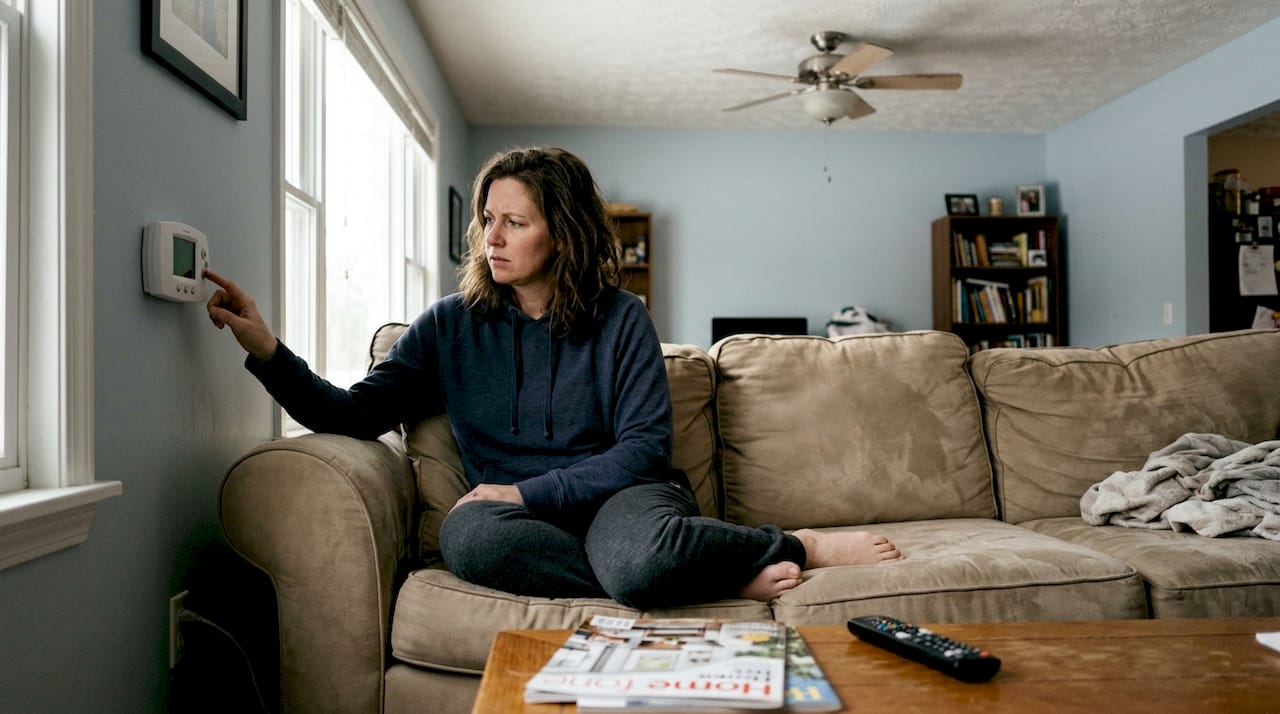
Temperature is not the only comfort factor in the tropics. Moisture is just as important, and in Southwest Florida, it is often the bigger problem. Your air conditioner is supposed to dehumidify your home as it cools. When it stops doing that job well, the consequences go beyond sticky skin.
Watch for these warning signs of poor indoor humidity control:
- Condensation on windows or glass surfaces inside the home
- Musty or earthy odors that linger even after cleaning
- Visible moisture on walls, ceilings, or around vents
- Warping wood floors or furniture that absorbs excess moisture
- Allergy or respiratory symptoms that worsen indoors
The target indoor relative humidity for a healthy, comfortable home is 45 to 55%. Once you cross 55%, mold growth becomes a real risk, especially in SWFL where warm temperatures accelerate the process.
| Condition | Indoor RH | Risk Level |
|---|---|---|
| Ideal comfort zone | 45 to 55% | Low |
| Borderline concern | 56 to 65% | Moderate |
| Problem zone | Above 65% | High (mold likely) |
| Outdoor average, SWFL | 70 to 90% | Requires active AC dehumidification |
When your AC runs short cycles, it cools the air but does not run long enough to pull moisture out. This is one of the most common causes of high indoor humidity, and it often goes unnoticed until mold appears. Reviewing humidity management tips specific to this region can help you understand what your system should be doing.
Pro Tip: Pick up an inexpensive digital hygrometer at any hardware store and check your indoor humidity weekly. If it consistently reads above 55%, call a technician before you start seeing mold.
For more practical steps, the guide on lowering home humidity covers several options tailored to SWFL homes.
Odd noises, smells, or increased dust
Even if your home feels comfortable, what you hear and smell can reveal problems your thermostat cannot. HVAC systems are designed to run quietly and cleanly. Any new sound or odor is your system communicating that something is off.
Here is a quick breakdown of common warning sounds and what they usually mean:
- Rattling or banging often points to loose panels, debris in the unit, or a failing motor mount
- Buzzing or humming can indicate electrical issues or a struggling capacitor
- Grinding noises usually mean worn bearings in the blower motor
- High-pitched squealing often signals a slipping belt or motor bearing failure
- Clicking that repeats at startup or shutdown may point to a failing relay or control board
Smells are equally telling. A musty odor coming from your vents almost always means mold or mildew is growing somewhere in the system, often on the evaporator coil or inside the ducts. A burning smell typically means dust has built up on the coil or heating elements. Both are signs that the system needs attention, and both get worse when ignored.
“Any new noise or smell from your HVAC system should be treated as a warning, not background noise. What starts as a rattle can become a motor failure within weeks in our climate.” — Ultra Air Heating & Cooling technician
Dirty filters and coils increase energy use 10 to 30%, and they are also the primary cause of musty smells and dust buildup. If you are noticing more dust on surfaces than usual, leaky ducts or a clogged filter are the most likely culprits. Learn more about musty AC odor solutions and what causes them in this climate.
For homes with persistent dust issues, duct cleaning benefits are worth understanding, especially if the system has not been serviced in over a year.
Rising energy bills and system overworking
Sometimes your monthly bill alerts you to problems before you even feel them. A sudden spike in electricity costs, especially during months when your usage habits have not changed, is one of the most reliable early indicators of HVAC inefficiency.
| Bill Scenario | Likely Cause | Action Needed |
|---|---|---|
| 10 to 15% increase | Dirty filter or minor coil buildup | Replace filter, schedule cleaning |
| 20 to 30% increase | Duct leaks or refrigerant loss | Professional inspection |
| Consistent year-over-year rise | Aging system or compressor wear | Tune-up or replacement consult |
| Sudden spike in one month | Short cycling or failed component | Immediate service call |
Preventive maintenance saves 5 to 20% on energy costs, and clogged filters alone can spike fan energy use by 10 to 15%. That is money leaving your wallet every month for a problem that a $10 filter or a tune-up visit could fix.
Here is how to check whether your system is overworking:
- Note how often the system cycles on and off. More than 3 to 4 cycles per hour is considered short cycling.
- Check the filter. If it is gray and clogged, replace it immediately and monitor your next bill.
- Listen for the system running constantly without reaching the set temperature.
- Compare your bills year over year for the same month. A steady climb signals gradual wear.
- Look at the outdoor unit. Ice on the coil or a noisy compressor are red flags.
Reviewing AC maintenance steps gives you a solid starting point for what to check yourself. For a broader look at what is changing in the industry, the resource on efficiency trends is worth a read.
Our take: The cost of ignoring small HVAC warning signs
After working with Southwest Florida homeowners for years, we have seen the same pattern repeat itself. A homeowner notices a room feels a little warm. The filter has not been changed in months. The humidity feels heavy but nothing looks wrong. Then one day in July, the system stops entirely, and suddenly they are facing a $3,000 repair or a full replacement in the middle of peak season.
The uncomfortable truth is that HVAC neglect in this climate is not just about comfort. It is about mold remediation bills, emergency service fees, and energy costs that quietly climb for months before anyone notices. Small problems do not stay small here. The heat and humidity accelerate every mechanical issue.
The homeowners who avoid these situations are not lucky. They follow regional HVAC best practices and schedule annual professional inspections before summer hits. That one visit catches the issues that cost hundreds, not thousands.
Pro Tip: Book your HVAC inspection in March or April, before the summer cooling season begins. Technician schedules fill up fast once the heat arrives.
Southwest Florida HVAC help: Your next step
If any of these warning signs sound familiar, the right move is to act now rather than wait for a breakdown. Ultra Air Heating & Cooling serves Naples, Cape Coral, Fort Myers, and surrounding communities with expert diagnosis, repair, and system upgrades.
Our team can assess your indoor air quality solutions and recommend the right fix, whether that is a simple tune-up, a duct inspection, or a full system upgrade. If cost is a concern, we offer financing for HVAC upgrades that make energy-efficient improvements accessible without a large upfront investment. Thinking about a new system? Our Fort Myers HVAC installation guide walks you through what to expect from start to finish.
Frequently asked questions
What humidity level should I keep in my home to prevent mold?
Aim for 45 to 55% indoor RH; above this range, mold growth becomes a serious risk, especially in Southwest Florida’s warm climate.
How often should I replace HVAC filters in Southwest Florida?
Replace filters every 1 to 2 months for best performance, since clogged filters spike fan energy use by 10 to 15% in humid and dusty conditions.
Are high energy bills always a sign of HVAC problems?
Sudden increases often signal issues like dirty filters or duct leaks, which can increase energy use by 10 to 30% and lose up to 30% of conditioned air.
What are warning signs my HVAC needs attention besides temperature issues?
Listen for new sounds like rattling or grinding, watch for musty odors that indicate filter or coil problems, and monitor for increased dust or rising indoor humidity.
Recommended
- Step-by-step HVAC repair guide for SW Florida homes
- AC Tips for Homeowners: Maximize Comfort & Save Energy
- DIY AC Maintenance Checklist for SWFL Homeowners: 2026 Edition – Ultra Air Heating and Cooling
- 7 Warning Signs of Mold in Air Vents: A Guide for Florida Homeowners – Ultra Air Heating and Cooling
- Spot Key Signs You Need Duct Cleaning for Healthy Air