
HVAC winterization is defined as the preventive maintenance process that protects heating and cooling equipment from seasonal moisture damage, efficiency loss, and accelerated wear before colder months arrive. For homeowners and property managers in Southwest Florida, Naples, Cape Coral, and Fort Myers, skipping this step is a costly assumption. Annual HVAC maintenance extends system lifespan by 3 to 5 years and improves efficiency by 10 to 15%. That means a properly maintained system in a warm climate runs longer, costs less to operate, and requires fewer emergency repairs than one that only gets attention when something breaks. The core tasks include duct sealing, air filter replacement, condensate line flushing, and outdoor unit inspection.
Why winterize HVAC systems even in warm climates?
Warm climates create a false sense of security. Because temperatures in Southwest Florida rarely drop to freezing, many homeowners assume their HVAC systems face no real winter risk. The actual threat is subtler and more expensive.
Florida summers push HVAC systems hard. Months of continuous operation in high humidity load ducts with moisture, coat coils with dust and mold spores, and stress compressors beyond their design baseline. When that buildup carries into the cooler season without a maintenance reset, the system starts winter already compromised. Leaky ductwork alone can account for up to 30% of total home energy loss. For a property running central air year-round, that number translates directly into inflated utility bills every single month.
“Balanced airflow through sealed ducts eliminates temperature disparities and reduces thermostat disputes among household members.” — Grand HVAC Columbus
Seasonal humidity also creates hidden damage. Trapped moisture in ducts can freeze during brief cold snaps, blocking airflow and triggering safety shut-offs. Even without freezing, persistent moisture accelerates corrosion on metal components and feeds mold growth inside the air handler. The result is degraded indoor air quality and a system that works harder than it should to maintain comfort.
The efficiency argument is straightforward. A system losing 10 to 15% of its performance due to neglected maintenance pays for a professional tune-up several times over in wasted energy costs alone. For property managers overseeing multiple units, that math multiplies fast.
- Moisture and dust buildup from summer operation reduces airflow and coil efficiency
- Duct leaks waste up to 30% of conditioned air before it reaches living spaces
- Humidity-related corrosion shortens compressor and heat exchanger lifespan
- Deferred maintenance converts minor issues into major component failures
What are the key tasks in a winter HVAC system checklist?
Winterizing a heating and cooling system is not a single task. It is a sequence of targeted checks and corrections that address the most common failure points before they become problems.
Air filter replacement
Air filters should be checked monthly and replaced every 30 to 90 days depending on usage and household conditions. In Florida, where systems run almost continuously, the 30-day end of that range is the safer target. A clogged filter forces the blower motor to work harder, raises energy consumption, and allows particulates to bypass the filter and coat the evaporator coil.
Duct sealing and inspection
Ducts in crawl spaces and attics are especially vulnerable. Soil movement in Florida’s sandy terrain can shift duct connections over time, creating gaps that bleed conditioned air into unconditioned spaces. Professional duct sealing uses mastic sealant or metal foil-backed tape. These materials accommodate thermal expansion without peeling. Standard duct tape fails within months under real operating conditions.
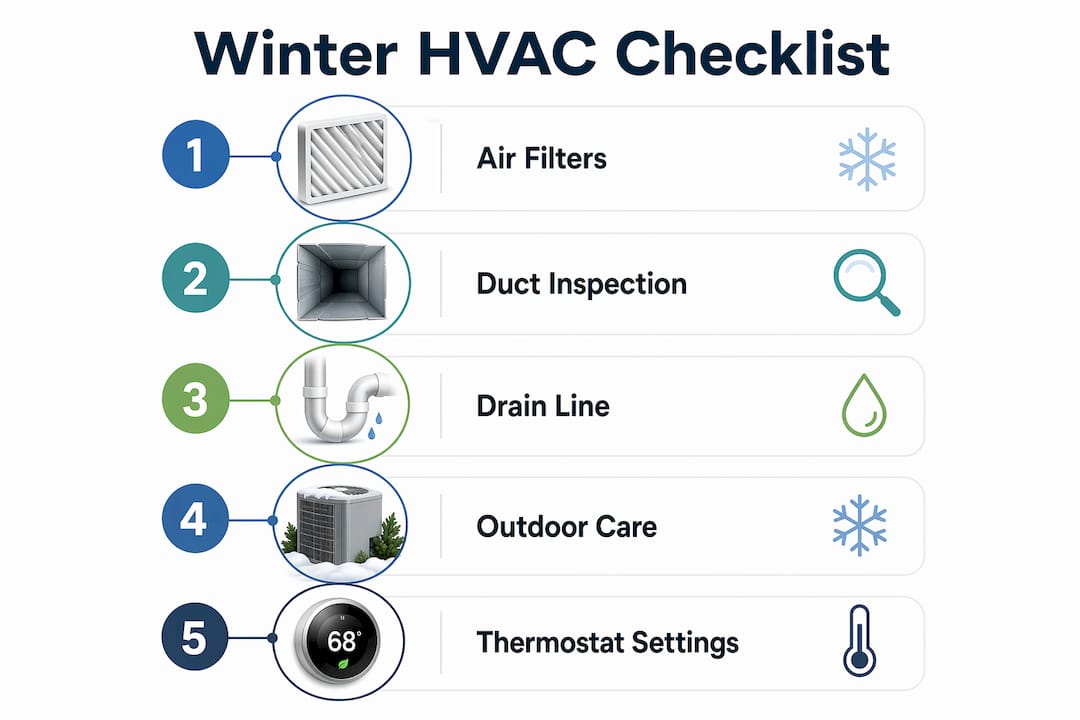
Condensate drain line flushing
Condensate lines should be flushed every three months to prevent algae and debris blockages. A blocked drain line causes water to back up into the air handler, leading to water damage, mold growth, and system shut-offs. In Florida’s humid climate, algae growth in condensate lines is one of the most common service calls Ultraairswfl technicians handle.
Outdoor unit care
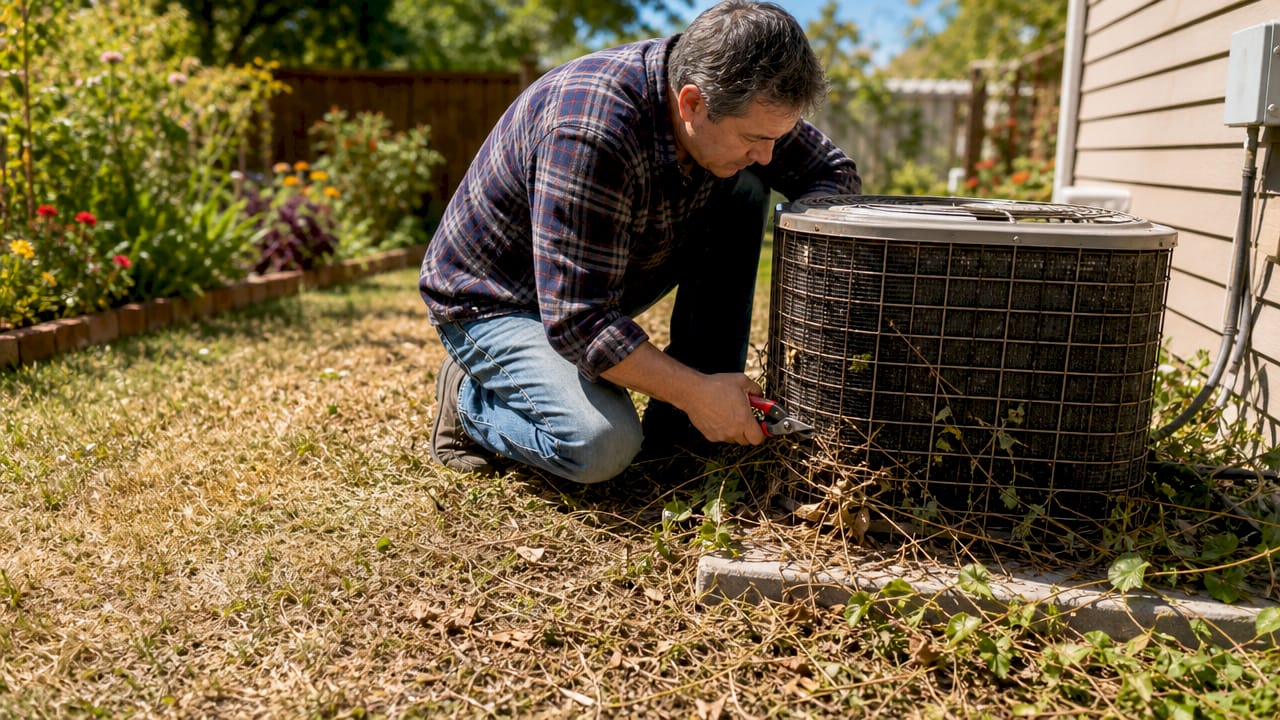
The outdoor condenser unit needs a two-foot clearance of vegetation and debris on all sides. Neglecting debris removal restricts airflow across the condenser coils, reduces heat transfer efficiency, and can trap moisture that leads to corrosion. Clean the fins gently with a garden hose. Never use a pressure washer, which bends the fins and reduces airflow permanently.
Thermostat and humidity programming
Pro Tip: Set your thermostat to maintain indoor humidity between 35 and 40% using a humidistat. Balanced indoor humidity reduces the perception of cold, which means you override the thermostat less often and your system runs fewer unnecessary cycles.
| Task | Frequency | Why it matters |
|---|---|---|
| Air filter check/replacement | Every 30 to 90 days | Prevents airflow restriction and coil contamination |
| Condensate drain flush | Every 3 months | Stops water damage and mold growth |
| Duct inspection and sealing | Annually | Eliminates energy loss from leaks |
| Outdoor unit debris clearing | Before each season | Prevents corrosion and airflow restriction |
| Thermostat/humidistat calibration | Seasonally | Optimizes comfort and reduces unnecessary cycles |
Common mistakes that undermine HVAC winter care
Most winterization failures come down to a handful of repeated errors. Knowing them in advance saves you from learning them the expensive way.
- Using standard duct tape on ducts. Regular duct tape is not rated for HVAC applications. It dries out, loses adhesion, and peels away from duct surfaces within a season. Mastic sealant or metal foil tape is the correct material for any duct repair.
- Skipping filter checks between service visits. A single missed filter change during peak pollen season can restrict airflow enough to cause the evaporator coil to freeze. That leads to a service call that costs far more than a replacement filter.
- Leaving debris around the outdoor unit. Leaves, mulch, and overgrown shrubs trap moisture against the unit’s casing. Over a season, that moisture corrodes the cabinet and fins, reducing efficiency and shortening equipment life.
- Ignoring carbon monoxide warning signs. Carbon monoxide risks increase in winter when heating demand rises and fuel-burning appliances run longer. Strange smells near the furnace, repeated pilot outages, or unexplained headaches are red flags that require immediate professional inspection. This is not a DIY troubleshooting item.
- Misreading thermostat settings. Cranking the thermostat up to heat a space faster does not speed up the heating process. It just runs the system longer, wastes energy, and creates humidity imbalances that make the space feel uncomfortable.
Pro Tip: Install a carbon monoxide detector near your HVAC system and on every floor of your home. Test the batteries every time you replace your air filter so both tasks stay on the same schedule.
How to prepare your HVAC for winter: a practical checklist
Translating maintenance knowledge into a repeatable seasonal routine is where most homeowners fall short. Here is a practical sequence built for warm-climate properties.
- Schedule a professional tune-up in September or October. Before any real cold arrives, have a certified technician inspect refrigerant levels, electrical connections, and combustion components. Shifting repairs into scheduled service windows prevents expensive emergency calls during peak cold periods when technician availability drops.
- Perform a monthly filter check. Mark it on your calendar. Pull the filter, hold it up to light, and replace it if you cannot see light through it. Keep two or three replacement filters on hand so the task never gets deferred.
- Inspect ducts in the attic and crawl spaces. Look for disconnected sections, visible gaps, or insulation that has fallen away from duct surfaces. In Florida, soil movement and pest activity are the two most common causes of duct separation.
- Clear the outdoor unit area. Trim any vegetation within two feet of the unit. Remove leaves, mulch, and debris from the top and sides of the cabinet. Check that the unit sits level on its pad.
- Program your smart thermostat for seasonal patterns. Devices like the Ecobee SmartThermostat or Honeywell Home T9 allow you to set schedules that reduce runtime during mild nights without sacrificing morning comfort. Pair this with a humidistat set to 35 to 40% for optimal results.
- Flush the condensate drain line. Pour a cup of diluted bleach or white vinegar into the drain pan access point. This kills algae before it forms a blockage. Follow up with a water flush to clear the line.
- Call a professional for anything involving gas, refrigerant, or electrical components. Combustion efficiency verification prevents carbon monoxide hazards that spike when heating demand increases. These checks require licensed equipment and certification.
Pro Tip: Use your Southwest Florida HVAC maintenance checklist to track each task with dates. A written record also helps when filing warranty claims or selling the property.
Key takeaways
Winterizing your HVAC system prevents efficiency loss, extends equipment lifespan by 3 to 5 years, and eliminates the most common causes of emergency repair calls in warm climates.
| Point | Details |
|---|---|
| Efficiency loss is measurable | Skipping maintenance costs 10 to 15% in system performance and raises monthly energy bills. |
| Duct leaks are the biggest energy drain | Leaky ducts waste up to 30% of conditioned air and require mastic or foil tape to fix properly. |
| Filter and drain line care are non-negotiable | Replace filters every 30 to 90 days and flush condensate lines every three months to prevent failures. |
| Carbon monoxide is a real winter risk | Strange smells or pilot failures near fuel-burning equipment require immediate professional inspection. |
| Scheduled service beats emergency repair | Annual tune-ups cost a fraction of emergency calls and protect equipment during peak demand periods. |
Why I think warm-climate homeowners underestimate this the most
After years of working with homeowners across Southwest Florida, the most consistent misconception I encounter is this: “We don’t really have winters here, so why bother?” That logic sounds reasonable until you look at the actual failure data.
Florida HVAC systems run harder and longer than systems in cold climates. They accumulate more operational hours, more moisture exposure, and more biological growth inside ducts and drain pans. The average HVAC lifespan in Southwest Florida is shorter than the national average precisely because of this year-round stress. Winterization is not about preparing for a blizzard. It is about resetting a system that has been running at full capacity for six months straight.
The homeowners I see spending the most on repairs are almost always the ones who skipped the $150 tune-up two years in a row. The ones who spend the least are the ones who treat their HVAC like a car: scheduled service, regular filter changes, and a professional inspection before anything feels wrong. That mindset shift, from reactive to proactive, is worth more than any single maintenance task on the list.
— albert
Get your HVAC ready for winter with Ultraairswfl
Ultraairswfl serves homeowners and property managers across Naples, Cape Coral, and Fort Myers with professional HVAC winterization services built for Southwest Florida’s unique climate demands.
The Ultraairswfl team handles duct sealing with professional-grade mastic and foil tape, condensate line flushing, filter replacement, outdoor unit inspection, and full safety checks for combustion components. Every service visit includes a written report so you know exactly what was found and what was corrected. Whether you need a seasonal tune-up or a full heating system inspection, Ultraairswfl makes scheduling simple and the results measurable. Contact the team today to book your pre-winter service appointment before the busy season fills the calendar.
FAQ
Why winterize HVAC systems in warm climates?
Warm-climate HVAC systems accumulate moisture, dust, and biological growth during long summer operating seasons. Winterization resets the system before cooler months arrive, preventing efficiency loss and component failures.
How often should air filters be replaced during winter?
Air filters should be checked monthly and replaced every 30 to 90 days. In Florida, where systems run nearly year-round, monthly replacement is the safer standard for maintaining airflow and protecting the evaporator coil.
What is the correct material for sealing HVAC ducts?
Mastic sealant or metal foil-backed tape is the correct material for duct sealing. Standard duct tape dries out and loses adhesion within a single season, making it ineffective for any lasting repair.
When should I call a professional instead of doing it myself?
Call a professional for anything involving refrigerant, gas lines, electrical connections, or carbon monoxide concerns. Strange smells near heating equipment or repeated ignition failures are safety issues that require licensed technicians, not DIY troubleshooting.
Does an HVAC maintenance plan make financial sense for Florida homeowners?
Yes. Annual maintenance plans typically cost less than a single emergency repair call and include the seasonal inspections that prevent the most common failure points in warm-climate HVAC systems.