

Most homeowners and business operators treat their HVAC filter as an afterthought. Something you swap out every few months, toss in the trash, and forget about. But the role of HVAC filtration systems goes much deeper than that. Filters are one of the few components in your system that simultaneously protect your equipment, determine your indoor air quality, and directly influence your monthly energy bill. Get filtration right, and your whole system performs better. Ignore it, and you pay for it in ways that rarely get traced back to that dusty rectangle in the return vent.
Table of Contents
- Key takeaways
- The role of HVAC filtration systems explained
- How filters affect your energy bill
- Choosing the right filter and maintaining it properly
- Advanced filtration technologies worth knowing
- Turning filtration knowledge into real savings
- My honest take on how most people get filtration wrong
- Protect your air and your equipment with Ultraairswfl
- FAQ
Key takeaways
| Point | Details |
|---|---|
| Filters protect equipment first | HVAC filters keep dust and debris off blower motors, coils, and heat exchangers before improving air quality. |
| Clogged filters cost real money | Dirty filters can increase fan energy use by 41 to 60%, making replacement one of the cheapest energy upgrades. |
| MERV rating must match your system | Filters that are too dense restrict airflow and can cause coil freezing or fan overload, even if the packaging looks appealing. |
| Replacement frequency depends on your household | Standard homes need a new filter at least every 3 months, but homes with pets, smokers, or allergy sufferers need more frequent changes. |
| Filtration works best as part of a system | Clean ducts, coils, and fans allow filters to do their job longer and more effectively. |
The role of HVAC filtration systems explained
The most important thing to understand about how HVAC filtration works is that your filter serves two separate jobs at the same time. The first job is protecting the mechanical components inside your system. Every time your blower fan pulls air through the return, it also pulls dust, pet hair, pollen, and microscopic debris. Without a filter, that material coats your blower motor, sticks to evaporator coils, and builds up on heat exchanger surfaces. Over time, that buildup causes equipment failures and shortens system lifespan.
The second job is cleaning the air that circulates through your living or working space. This is where the role of air filters in HVAC becomes personal. Filters capture allergens, mold spores, bacteria, and fine particulate matter before that air reaches the vents and recirculates into your breathing zone. The two jobs sound similar, but they have different requirements. Equipment protection prioritizes capturing large debris. Indoor air quality improvement requires capturing much smaller particles, which means denser filter media and higher ratings.
Here is where it gets interesting. The condition of your filter at any given moment determines how well it performs both jobs. A filter that is 30% loaded with debris actually captures particles more efficiently than a brand new one, because the trapped material creates additional surface area for catching new particles. But push past a certain loading point, and you get diminishing returns fast. The filter starts restricting airflow, pressure builds up across the system, and performance drops.
- Allergens trapped by mid-range filters include pollen, dust mite debris, and pet dander, all of which are among the most common indoor air quality triggers
- Fine particles from combustion, cleaning products, and outdoor pollution require filters rated MERV 11 or higher for meaningful capture
- Mold spores, which are a particular concern in Southwest Florida’s humid climate, are captured effectively by MERV 8 and above
Pro Tip: If anyone in your home suffers from asthma or seasonal allergies, MERV 11 to 13 filters are the standard recommendation for meaningful symptom relief, not the budget fiberglass options most hardware stores push.
How filters affect your energy bill
The connection between filtration and energy use is one of the most underappreciated relationships in building management. The mechanism is straightforward. Every filter creates resistance to airflow, called pressure drop. Your fan has to work harder to pull the same volume of air through a filter with higher resistance. The harder the fan works, the more electricity it uses.
Pressure drop increases as a filter collects more particles over time. A clean filter has low resistance. A filter that has been running for four months in a dusty environment has significantly higher resistance, even if it looks fine from the outside. Most people cannot tell the difference without measurement, which is why scheduled replacement often beats visual inspection alone.
The numbers make this concrete. Regular filter replacement and system cleaning can reduce fan energy consumption by 41 to 60%. That is not a marginal improvement. For a commercial building running a large air handler, that translates directly into hundreds or thousands of dollars per year in electricity savings.
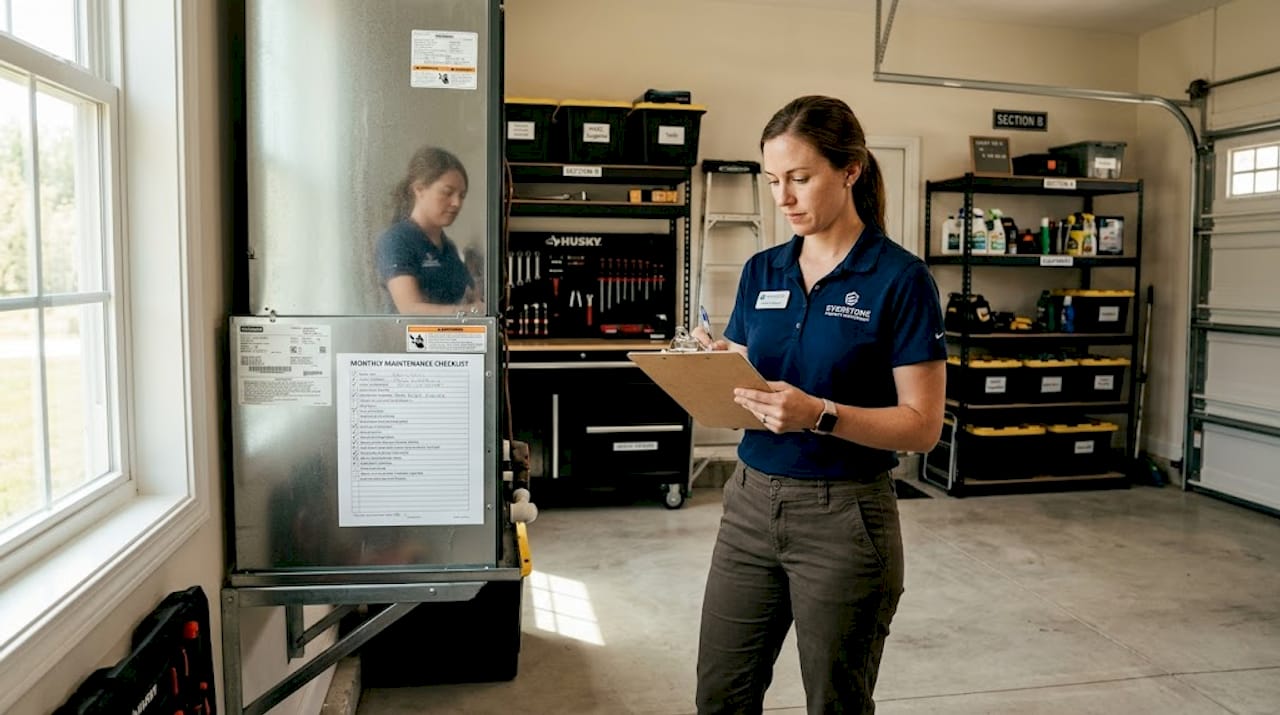
The tradeoff between efficiency and airflow
| Filter Type | MERV Rating | Filtration Efficiency | Airflow Resistance | Best For |
|---|---|---|---|---|
| Fiberglass / Flat Panel | 1 to 4 | Basic dust only | Very low | Equipment protection only |
| Pleated standard | 8 to 11 | Pollen, mold, pet dander | Low to moderate | Most residential applications |
| High-efficiency pleated | 11 to 13 | Fine particles, allergens | Moderate | Allergy households, light commercial |
| HEPA-grade | 14 to 16 | Near total particle removal | High | Medical, clean rooms, specialty use |
The table above shows why filter selection is not just about buying the highest rating available. High-efficiency filters in well-designed systems do not significantly raise energy use, because the system was sized and specified to handle the added resistance. But drop a MERV 13 filter into an older residential unit designed for MERV 8, and you might freeze your evaporator coil on a hot July afternoon in Fort Myers.
Choosing the right filter and maintaining it properly
Understanding MERV ratings is the starting point for good filter selection, but the most important variable is your system’s design capacity. Your HVAC equipment was installed with a specific airflow requirement. The filter slot, duct sizing, and blower speed all assume a certain resistance range. Deviating far outside that range in either direction creates problems.
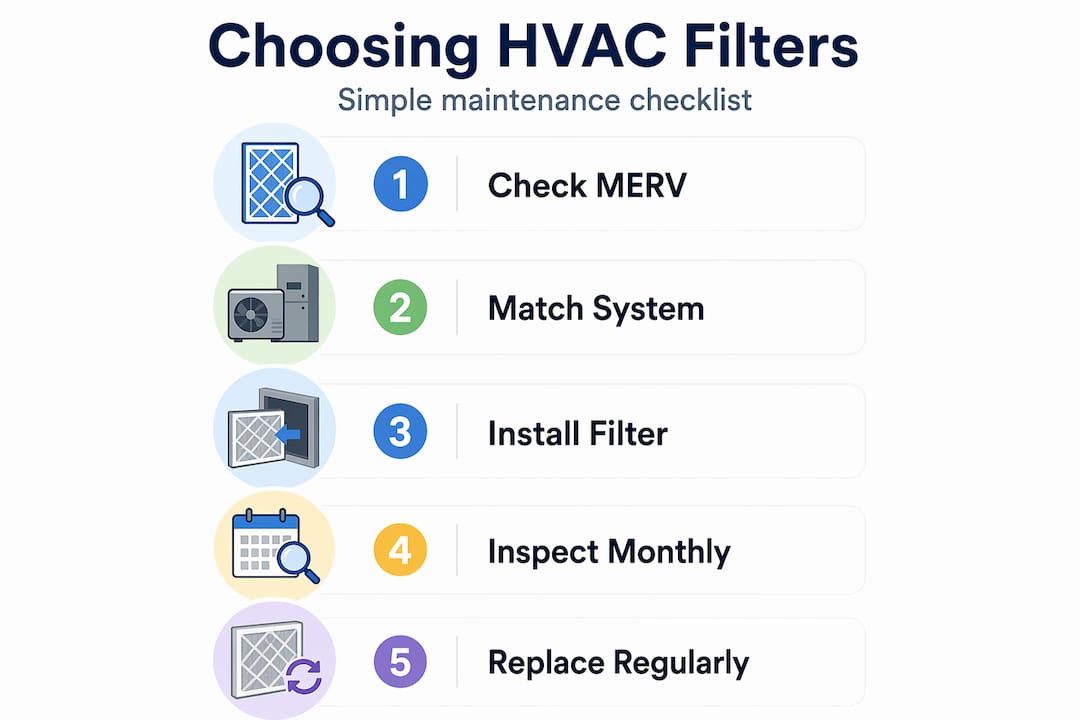
Excessively dense filters that restrict airflow when new can cause fan overload, coil freezing, and higher energy consumption even before they collect any dust. If you want to upgrade your filter rating, confirm the upgrade is compatible with your specific unit first. Your HVAC technician can check static pressure readings to verify this in about ten minutes.
Replacement frequency is the other major variable. Standard households should replace filters at least every 3 months. Homes with one or more pets, anyone who smokes indoors, or occupants with respiratory conditions need replacement every 4 to 6 weeks. Here is a simple framework for your replacement decision:
- Standard household (no pets, no allergies): Every 90 days minimum
- One pet in the home: Every 60 days
- Multiple pets or frequent shedding: Every 30 to 45 days
- Allergy or asthma sufferers present: Every 30 to 45 days, using MERV 11 or higher
- Commercial spaces with high traffic: Monthly, or based on pressure drop readings
For business operators and property managers, using magnehelic pressure gauges to measure pressure drop across filters gives you objective replacement timing instead of guessing. This approach prevents both premature replacements, which waste money, and overdue ones, which cost you in energy and air quality.
Pro Tip: Check your HVAC maintenance checklist against your current filter schedule. Many homeowners discover they are running 30 to 60 days past the optimal replacement window without realizing it.
Advanced filtration technologies worth knowing
Standard pleated filters handle most residential and commercial situations well. But if you are managing a building with high pollutant loads, operating a business where indoor air quality affects employee health or customer experience, or simply want the best available protection, several advanced options deliver meaningfully better results.
Two-stage filtration systems use a lower-rated pre-filter to capture large particles before air reaches the high-efficiency main filter. This extends the life of the more expensive secondary filter and reduces total pressure drop compared to running a single very-dense filter. It also means you replace the cheap pre-filter frequently and the expensive main filter much less often.
Whole-home air purifiers installed in the HVAC ductwork add UV light or ionization stages that inactivate bacteria and viruses rather than just trapping them. These units work alongside your mechanical filter rather than replacing it. They are not a substitute for proper filtration, but they do address biological contaminants that filters cannot capture at standard ratings.
One factor that even experienced building operators overlook is the condition of the rest of the system. Dust-laden ducts, coils, and fans cause filters to load faster and reduce overall filtration effectiveness. You can install the highest-rated filter on the market and still get mediocre air quality if your coils are coated in biofilm and your ducts are blowing loose debris into the airstream. A holistic filtration strategy that includes duct cleaning, coil maintenance, and proper filter selection consistently outperforms a filter upgrade alone.
- Pair advanced filters with regular coil cleaning to prevent mold growth on wet evaporator surfaces
- Schedule duct inspection every 3 to 5 years, or immediately after renovations, flooding, or visible mold discovery
- Consider pairing HVAC filtration with indoor plants for air quality as a low-cost supplemental strategy for occupied spaces
Turning filtration knowledge into real savings
Most homeowners and business operators already know they should change their filters. What they do not have is a practical system for connecting filtration decisions to health outcomes and operating costs. Here is how to apply what you have learned.
-
Identify your filter type and MERV rating today. Pull the current filter and check the rating. If it is below MERV 8 and you have anyone in the building with allergies or respiratory issues, you have an easy upgrade opportunity.
-
Match your replacement schedule to your actual household profile. Use the frequency framework from the section above. Most people are running one category lower on frequency than they should be.
-
Schedule a professional system inspection if you have never had one. A technician can measure static pressure, check coil cleanliness, and confirm whether your current filter rating is compatible with your unit’s airflow design.
-
For commercial properties, implement pressure gauge monitoring. Fixed-schedule replacement is fine for homes. Commercial spaces benefit significantly from objective measurement, because occupancy and pollution loads vary.
-
Calculate your potential energy savings. If your filters are being changed less often than recommended, your fan is likely consuming substantially more electricity than necessary. The 41 to 60% reduction figure is not theoretical. It shows up in real utility bills.
Pair this with the filter guide for Florida homes with pets and allergies for a more detailed breakdown by household type, which is especially relevant if you are dealing with the specific air quality challenges that come with Southwest Florida’s climate.
My honest take on how most people get filtration wrong
I have spent years looking at HVAC systems across Southwest Florida, and the pattern I see most often is not people choosing the wrong filter. It is people treating the filter as the last item on a mental checklist rather than the first thing that affects everything else. The air filter as a strategic control point is not just a useful framing. It is literally true in the mechanical sense.
What I have found is that homeowners who invest five minutes per month monitoring their filter condition, and actually replace it on the right schedule for their household, consistently report lower energy bills and fewer HVAC service calls over a two to three year period. That is not a coincidence. Clean filters keep coils clean, clean coils keep the system running at designed efficiency, and efficient systems break down less. The chain of cause and effect is real.
The other mistake I see regularly is buying the cheapest filter available. A $2 fiberglass flat panel looks like a bargain until you factor in the energy penalty from poor filtration, the more frequent coil cleaning, and the allergy medication that follows. The math never works out in favor of the cheapest option.
My advice: pick a filter in the MERV 8 to 11 range that your system can handle, set a replacement calendar reminder, and stop treating it as optional. You will notice the difference.
— albert
Protect your air and your equipment with Ultraairswfl
Getting filtration right is straightforward once you know what to look for, but the details matter. At Ultraairswfl, we help homeowners and business operators across Naples, Cape Coral, and Fort Myers select the right filters for their systems, schedule maintenance that keeps energy costs down, and assess indoor air quality to catch problems before they become expensive. Whether you are looking at a full HVAC installation in Fort Myers or just want a professional opinion on your current setup, we offer the kind of hands-on guidance that online articles can only point you toward. Visit our indoor air quality services page to see how we can help you breathe easier and spend less doing it.
FAQ
What is the main role of HVAC filtration systems?
HVAC filtration systems protect system components from dust and debris while removing airborne pollutants like pollen, pet dander, and mold spores from recirculated air. These two functions work together to maintain both equipment longevity and indoor air quality.
How often should I replace my HVAC filter?
Most residential filters should be replaced at least every 90 days, but households with pets, smokers, or allergy sufferers should replace filters every 30 to 45 days for optimal air quality and system performance.
Can a high-MERV filter damage my HVAC system?
Yes. Filters rated too high for your system’s airflow capacity can restrict airflow, potentially causing coil freezing and increased energy use. Always verify compatibility with your unit before upgrading to a denser filter.
How do dirty filters affect energy costs?
A clogged filter increases resistance across the system, forcing the fan to work harder. Regular filter replacement and system cleaning can reduce fan energy consumption by 41 to 60%, which adds up significantly over a full cooling season.
Are cheap filters worth buying to save money?
Low-cost filters typically increase total cost of ownership through higher energy penalties and more frequent coil cleaning requirements. A mid-range pleated filter in the MERV 8 to 11 range delivers better long-term value for most households.