

Most allergy sufferers assume their HVAC system is quietly cleaning the air while they breathe easier indoors. The reality is more complicated. The role of HVAC in allergy relief is significant, but only when the system is properly maintained and correctly configured. A neglected system can actually make your symptoms worse by circulating dust, mold spores, and pet dander throughout your home. This article breaks down exactly how your HVAC system affects the air you breathe, what you can do about it, and which upgrades make the biggest difference.
Table of Contents
- Key takeaways
- How HVAC systems filter allergens and improve indoor air quality
- The importance of regular HVAC maintenance for allergy control
- Humidity and ventilation for allergy relief
- Choosing the right HVAC system for allergy sufferers
- My take on what actually makes a difference
- How Ultraairswfl can help you breathe easier
- FAQ
Key takeaways
| Point | Details |
|---|---|
| Filters are your first line of defense | HEPA filters with a MERV rating of 13 or higher capture pollen, dander, and fine particles most standard filters miss. |
| Maintenance determines effectiveness | A neglected HVAC system spreads allergens rather than removing them; filter changes and duct cleaning are non-negotiable. |
| Humidity control matters as much as filtration | Keeping indoor humidity between 35% and 50% prevents mold growth and reduces dust mite activity. |
| System type affects allergen exposure | Ductless mini-split systems eliminate the ductwork that traps and redistributes allergens throughout your home. |
| Behavior and HVAC must work together | Keeping windows closed during high pollen days maximizes your system’s filtration efficiency. |
How HVAC systems filter allergens and improve indoor air quality
Here is something most homeowners do not know: your HVAC system does not pull in fresh outdoor air by default. HVAC systems recirculate existing indoor air, which means the cleanliness of your ducts, coils, and filters directly determines the quality of what you breathe. If your system is dirty, it recycles dirty air. Simple as that.
How filtration actually works
Air moves through your return vents, passes through the filter, gets conditioned by your unit, and then gets pushed back out through supply vents. The filter’s job is to catch airborne particles during that pass-through. Whether it catches fine allergens like pollen or pet dander depends entirely on the filter’s quality and condition.
Standard fiberglass filters, which are the cheapest option, block large debris to protect the equipment. They do almost nothing for allergy relief. HEPA filters with a MERV 13 rating or higher are the real workhorses for allergy sufferers. They capture particles as small as 0.3 microns, including mold spores, pollen, and fine dust. For context, most pollen grains measure between 10 and 100 microns. A MERV 13 filter traps them with ease.
| Filter Type | MERV Rating | What It Captures | Best For |
|---|---|---|---|
| Fiberglass | 1 to 4 | Large dust and debris | Equipment protection only |
| Pleated | 8 to 11 | Dust, mold spores, pet dander | Mild allergy sufferers |
| HEPA/High-efficiency | 13 to 16 | Pollen, fine particles, bacteria | Moderate to severe allergies |
| Electronic/UV-C | N/A | Microorganisms, mold on coils | Supplement to high-MERV filters |
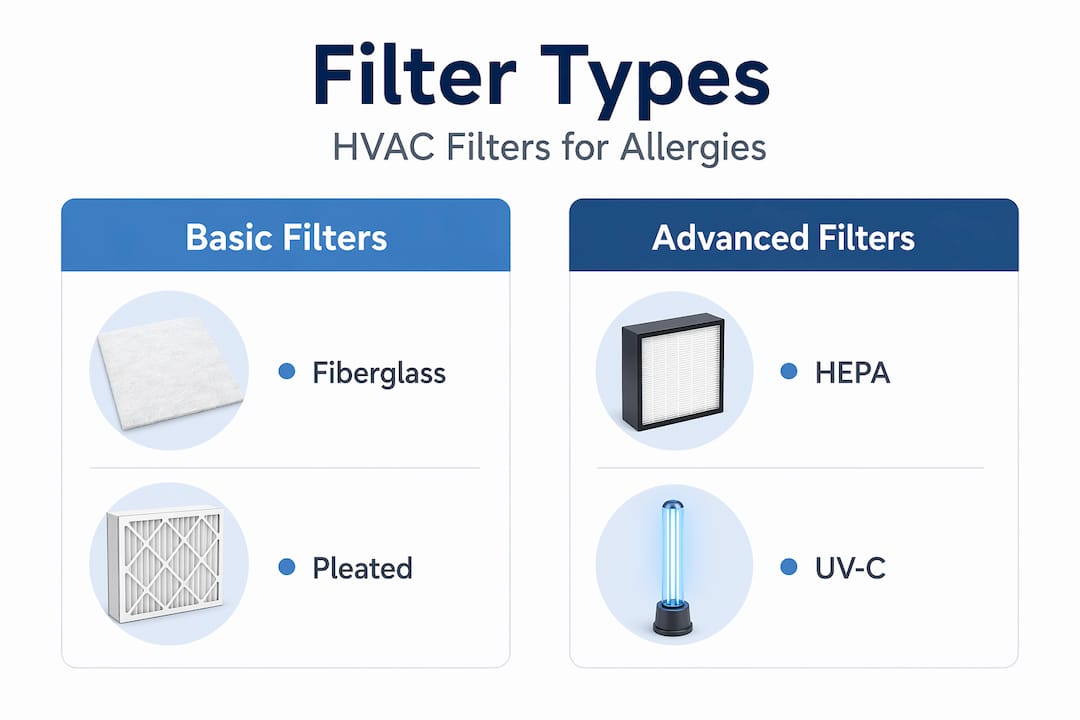
Beyond filters, UV-C lights installed inside the HVAC unit can kill mold spores and bacteria on the coils. There is a catch, though. UV-C lights eliminate 99% of microorganisms only when the coils are physically clean first. Coating UV-C bulbs with a layer of dust essentially turns off their effectiveness. This is why UV-C treatment works best as part of a full maintenance routine, not as a standalone fix. You can also explore a dedicated air purifier that integrates with your existing system for an added layer of filtration.
Pro Tip: Run your HVAC system for at least 20 minutes daily even on mild weather days. Regular air circulation through the filter removes stagnant allergen buildup that accumulates when the system sits idle.
The importance of regular HVAC maintenance for allergy control
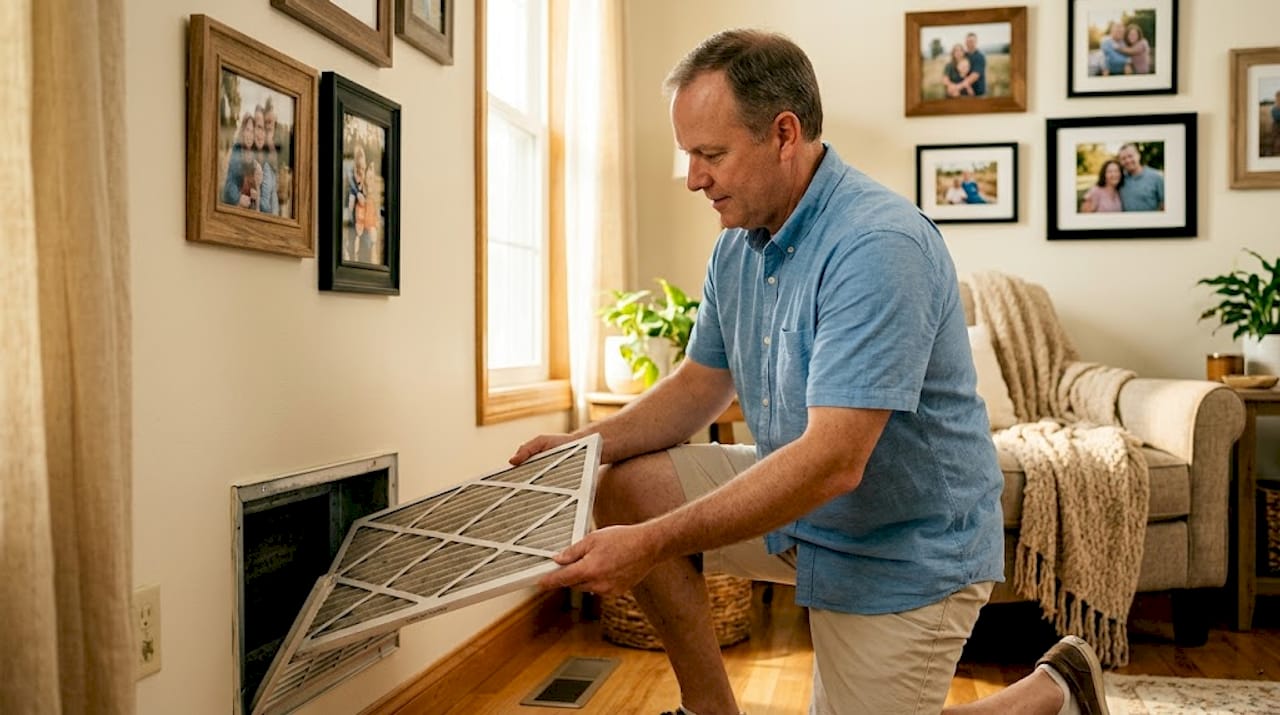
Think of your HVAC filter like a sponge. Once it is saturated, it cannot absorb anything more. A clogged filter does not just stop capturing allergens. It actually forces particles around the filter and back into your living space. That defeats the entire purpose of having filtration in the first place.
The role of HVAC in allergy control depends heavily on a consistent maintenance schedule. Here is what that schedule should include:
- Filter replacement: Replace filters every 30 to 60 days during allergy season. Clogged filters allow particles to bypass filtration, so replacing on time is not optional if symptoms are your concern.
- Duct inspection and cleaning: Leaky or dirty ducts distribute mold spores and dust throughout every room your system serves. Schedule duct cleaning every three to five years, or sooner after renovations. Residents in Cape Coral can find local guidance on duct cleaning for allergy sufferers.
- Coil cleaning: Dirty evaporator and condenser coils trap moisture, and moisture creates mold. Unmaintained systems act as breeding grounds for mold and bacteria that your system then spreads through the air.
- Drain pan checks: A clogged condensate drain pan holds standing water and breeds mold fast. Check it during every maintenance visit.
- Professional annual tune-up: A trained technician catches problems you cannot see. They check refrigerant levels, inspect electrical components, and assess overall system health.
“An HVAC system that looks fine from the outside can still be distributing allergens if the coils, drain pan, or ductwork are compromised. Homeowners often do not connect their worsening allergies to a system that hasn’t been serviced in two years.” — HVAC Specialist Russ Teaca
Pro Tip: If you notice musty odors when your system kicks on, that is almost always a mold signal inside your ducts or on your coils. Do not ignore it. Schedule a professional inspection within the week, not the month.
You can also reduce dust accumulation between HVAC service visits by following a dust reduction plan for your Florida home, which pairs well with a properly maintained system.
Humidity and ventilation for allergy relief
Filtration handles what is already floating in your air. Humidity control handles the conditions that determine how much is floating in your air in the first place.
Dust mites thrive above 50% relative humidity. Mold spores activate and spread when humidity spikes. On the flip side, air that is too dry irritates nasal passages and makes allergy symptoms feel worse even if actual allergen counts are low. Maintaining indoor humidity between 35% and 50% keeps both extremes in check and creates an environment where common allergens struggle to multiply.
Here is a practical step-by-step approach to managing humidity and ventilation with your HVAC system:
- Install a whole-home humidistat. A smart thermostat with humidity monitoring gives you real-time data and lets your system respond automatically when levels drift outside the target range.
- Add a dehumidifier if you live in a humid climate. In Southwest Florida, standard air conditioning alone often cannot hold humidity below 50% during summer. A whole-home dehumidifier integrated with your HVAC solves this without constant manual adjustment.
- Keep windows and doors closed during high pollen days. Experts recommend relying on air conditioning rather than open windows during peak pollen season. Every open window is an invitation for outdoor allergens to bypass your filtration entirely.
- Use the ventilation setting on your thermostat strategically. If your system has a fresh air intake with filtration, use it during low-pollen periods like after rain. Avoid it during peak morning pollen hours between 5 a.m. and 10 a.m.
- Monitor outdoor air quality apps. Apps that track local pollen and air quality index let you time your ventilation decisions around actual conditions rather than guessing.
HVAC systems only improve allergy relief when paired with behavioral decisions like these. Your system cannot compensate for an open window during a high-pollen afternoon.
Choosing the right HVAC system for allergy sufferers
Not all HVAC systems perform equally when it comes to air quality and allergies. The type of system you have, and the features it includes, can make a significant difference in your daily symptom load.
Ductless mini-split systems
Ductless mini-split systems eliminate the ductwork that traps and redistributes allergens in traditional central systems. For severe allergy sufferers, this is a major advantage. There is no duct network to accumulate dust, mold, or dander. Air is conditioned and delivered directly to the room. If your allergies are triggered primarily by what gets recirculated through ducts, a ductless system may be worth considering seriously.
Features to prioritize when selecting a system
- MERV 13 or higher filter compatibility: Confirm any system you buy supports high-efficiency filtration. Some systems are designed only for lower-MERV filters because high-efficiency filters restrict airflow and strain smaller units.
- Built-in UV-C light option: Systems that accommodate UV-C lamp installation give you the ability to add microbial control without retrofitting later.
- Smart humidity controls: Look for systems that integrate with whole-home humidistats and allow automated dehumidification responses.
- Multi-zone capability: Multi-zone systems let you dial in different temperatures and air quality settings for different rooms. If one family member has severe allergies, their room can run a more intensive filtration cycle without conditioning the whole house the same way.
For guidance on selecting the right MERV rating for Florida allergies, local conditions matter. Southwest Florida’s humidity and year-round pollen create a filtration challenge that is different from drier climates, and your filter choice should reflect that.
My take on what actually makes a difference
I have seen a lot of allergy-sensitive households cycle through air purifiers, specialty filters, and expensive supplements without getting meaningful relief. Nine times out of ten, the problem is not the product they chose. It is the basics they skipped.
The single biggest mistake I see is homeowners investing in a high-end HEPA filter and then leaving it in for six months during a Florida summer. A saturated filter in a humid environment is not filtering anything. It is a petri dish sitting in your airflow. All the technology in the world cannot help if the fundamentals are neglected.
What I have found actually works is treating your HVAC like a health tool rather than a comfort appliance. That means checking filters monthly, not quarterly. It means scheduling professional maintenance before allergy season peaks, not during it. And it means pairing your system with simple behavioral habits like keeping windows closed when pollen counts climb and running the system on fan mode periodically to keep air circulating through the filter even when heating or cooling is not needed.
The homes where I see the best outcomes are the ones where the homeowner is actively engaged. They know their filter type. They know their humidity reading. They schedule service on a calendar, not when something breaks. That level of attention, combined with a properly maintained system, is what allergy relief actually looks like in practice.
— albert
How Ultraairswfl can help you breathe easier
If you are ready to stop guessing and start addressing the air quality inside your home directly, Ultraairswfl is built for exactly that. Ultra Air Heating & Cooling serves Naples, Cape Coral, and Fort Myers homeowners with professional HVAC installation, maintenance, and indoor air quality solutions tailored to allergy sufferers in Southwest Florida’s unique climate.
From upgrading to HEPA-compatible systems and UV-C light installation to whole-home dehumidifiers and professional air quality testing, the team at Ultraairswfl can assess your current setup and recommend the changes that will deliver real results. Whether you need a new system or want to get more out of what you already have, their HVAC installation in Fort Myers services and allergy-focused maintenance packages are a practical place to start. Contact Ultraairswfl today to schedule a consultation.
FAQ
What is the role of HVAC in allergy relief?
Your HVAC system filters airborne allergens like pollen, dust, and pet dander from recirculated indoor air. When maintained properly with high-efficiency filters and regular servicing, it significantly reduces allergen exposure and helps manage allergy symptoms at home.
What HVAC filter is best for allergies?
Filters with a MERV rating of 13 or higher, including true HEPA filters, capture the fine particles that trigger allergy symptoms. Standard fiberglass filters with low MERV ratings do not provide meaningful allergy protection.
How often should I change my filter during allergy season?
Replace your filter every 30 to 60 days during allergy season rather than the standard 90-day interval. A clogged filter forces particles around the filtration media and back into your living space.
Can my HVAC system make allergies worse?
Yes. An unmaintained system with dirty ducts, clogged filters, or mold growth on coils will recirculate allergens rather than remove them. Regular maintenance is what separates a system that helps from one that hurts.
Do ductless mini-splits help with allergies?
Ductless mini-split systems are a strong option for allergy sufferers because they eliminate ductwork, which is a common accumulation point for dust, mold, and dander in traditional central systems. They deliver conditioned air directly to the room without recirculating duct contaminants.