

Effective HVAC seasonal preparation is defined as the scheduled maintenance, cleaning, and inspection routine you complete before each major season shift to keep your system running reliably and efficiently. In Southwest Florida, where cooling runs nearly year-round and humidity never lets up, skipping this process costs you comfort and money. This hvac seasonal preparation guide covers the exact steps Naples, Cape Coral, and Fort Myers homeowners need, from replacing MERV-rated filters to scheduling professional tune-ups before technician backlogs hit. Start your prep 2–4 weeks before any season change and you will stay ahead of the rush.
What does an HVAC seasonal preparation guide actually cover?
A complete seasonal HVAC preparation guide addresses two distinct maintenance cycles: spring cooling prep and fall heating prep. Both cycles share common tasks, but each has specific priorities based on the demands of the upcoming season. The HVAC maintenance checklist for Southwest Florida covers both cycles in detail for local homeowners.
The major components you touch in every seasonal cycle include air filters, the outdoor condenser unit, the condensate drain line, your thermostat, and safety devices like carbon monoxide detectors. Missing any one of these creates a weak point that can cause a breakdown at the worst possible time. Southwest Florida’s climate makes this especially true because your system rarely gets a true rest period.
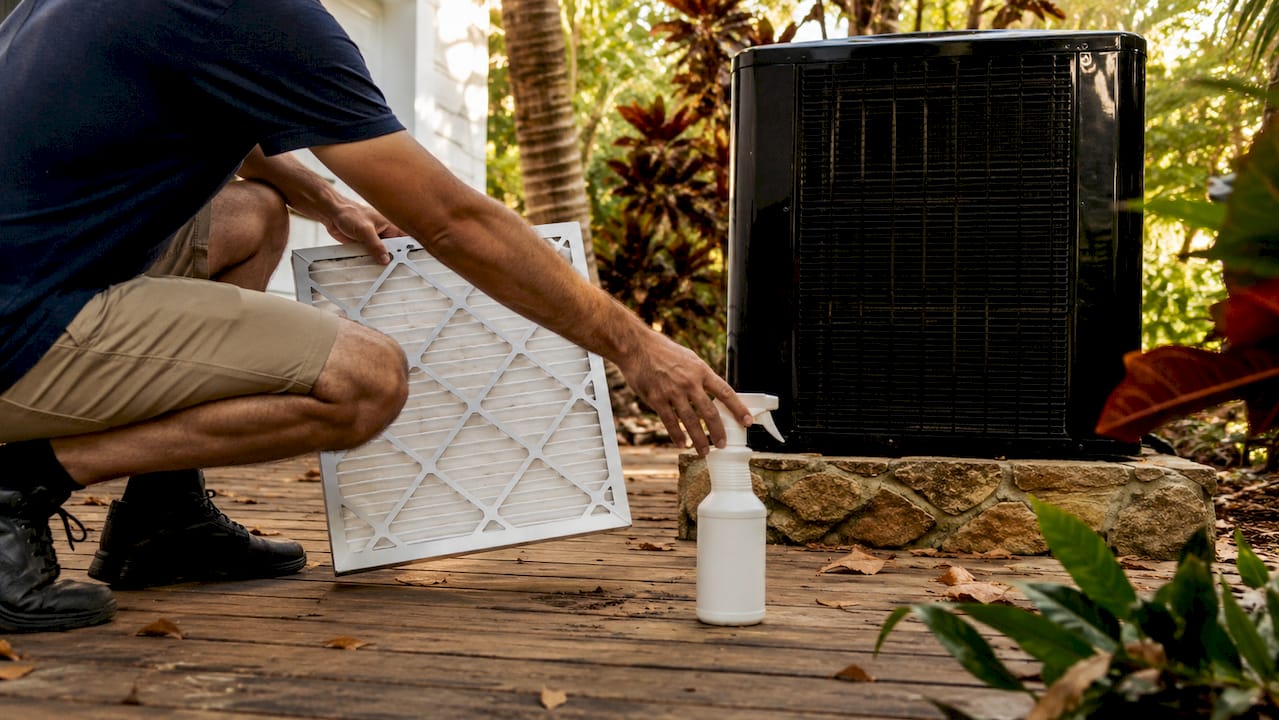
Timing is the factor most homeowners underestimate. Scheduling 2–4 weeks early before a season shift lets you book a technician before demand spikes. Service technicians in Southwest Florida often face 2–3 week booking backlogs during extreme weather peaks. That delay means you could be sweating through a broken AC in July while waiting for a service call.
When should you schedule a professional HVAC inspection?
Bi-annual professional maintenance is the most effective way to prevent unexpected system breakdowns. Industry experts recommend one visit in spring for cooling prep and one in fall for heating readiness. For Southwest Florida homeowners, late february or early march is the ideal window for your spring inspection before the brutal summer heat arrives.
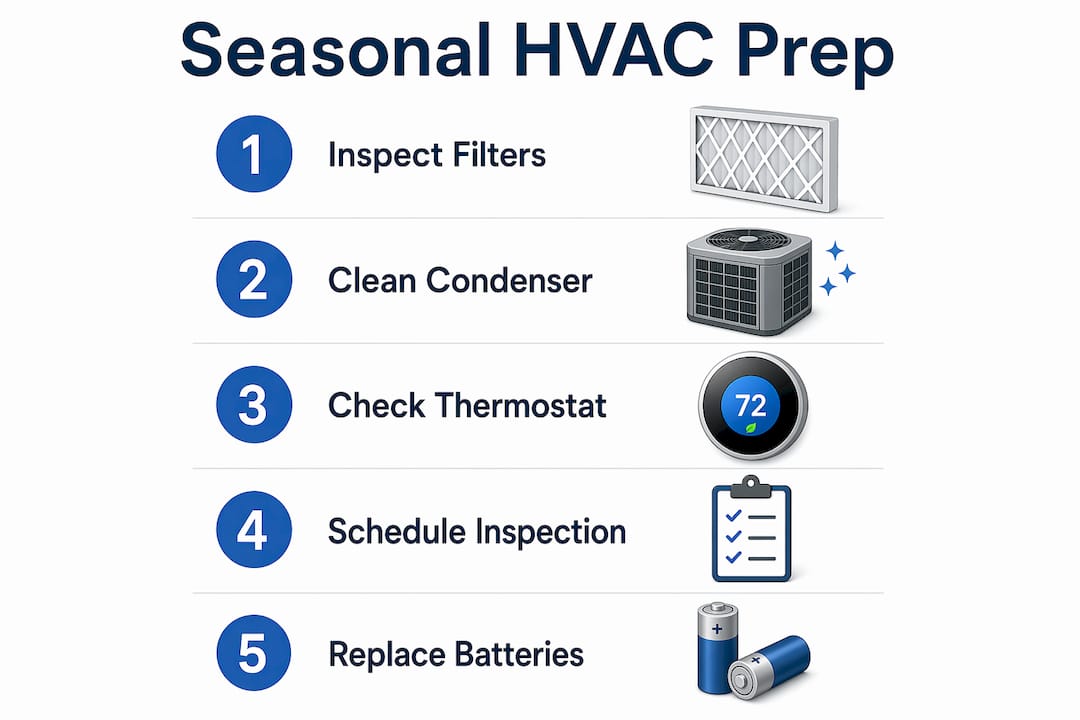
A professional inspection covers tasks that go well beyond what you can do yourself. A certified technician will check burner ignition, measure refrigerant levels, clear the condensate drain, test electrical connections, and verify that the blower motor operates within spec. These are not visible problems you can spot with a flashlight. Refrigerant imbalance and early condensate clogs are exactly the kind of subtle issues that routine inspections catch before they become expensive failures.
The cost argument for professional tune-ups is straightforward. A bi-annual visit typically runs $80–$150 per inspection. An emergency service call during peak season, when technicians are fully booked, can run three to five times that amount before parts are even factored in. Booking early also gives you leverage to schedule at a convenient time rather than accepting the first available slot during a heat wave.
- Schedule spring inspection: late february to early march
- Schedule fall inspection: late september to mid-october
- Book 2–4 weeks before your target date to avoid backlogs
- Ask your technician to check refrigerant levels, condensate drain, and electrical connections
- Request a written report of findings so you have a maintenance record
Pro Tip: Set a recurring calendar reminder for february 1 and september 1 each year. Those two dates are your booking triggers for professional inspections in Southwest Florida.
How do you prepare your AC for spring in southwest florida?
Spring cooling preparation is the most critical maintenance cycle for Southwest Florida homeowners because your air conditioner will run almost continuously from april through october. Follow these steps in order for the best results.
-
Replace your air filter. Filters rated MERV 8–13 are the standard recommendation for residential systems. Check your filter monthly during high-use seasons and replace it every 1–3 months. A clogged filter forces your system to work harder, raises your energy bill, and accelerates wear on the blower motor.
-
Clean the outdoor condenser unit. Turn off power to the unit at the disconnect box first. Remove any leaves, grass clippings, or debris from around the unit. Use a garden hose with a gentle spray to rinse the coils from the inside out. Never use a pressure washer. The aluminum fins on condenser coils are delicate and bend easily under high pressure, which restricts airflow and reduces efficiency.
-
Clear the condensate drain line. In Southwest Florida’s humidity, condensate drain lines clog with algae and mold faster than in drier climates. Pour a cup of diluted bleach or white vinegar down the drain line access port to clear biological buildup. A clogged drain causes water to back up into the air handler, which can damage flooring and trigger a system shutoff.
-
Test your thermostat. Set it to cooling mode and drop the target temperature 5 degrees below the current room temperature. Listen for the system to start within a minute or two. Let it run for 10–15 minutes and confirm that cool air is coming from the vents. If you hear grinding, rattling, or the air stays warm, call a technician before the season starts.
-
Check outdoor unit clearance. A 2-foot clearance radius around your outdoor unit is the standard requirement. Trim back any shrubs, vines, or grass that have grown into that space over winter. Restricted airflow around the condenser forces the compressor to work harder and shortens its lifespan.
Pro Tip: After cleaning the condenser, check the unit’s level. Ground settlement in Florida’s sandy soil can tilt units over time. A tilted compressor wears unevenly and fails early. A simple level check takes 30 seconds.
| Spring AC Prep Task | DIY or Pro | Frequency |
|---|---|---|
| Replace air filter (MERV 8–13) | DIY | Every 1–3 months |
| Clean outdoor condenser coils | DIY | Once per season |
| Clear condensate drain line | DIY | Once per season |
| Test thermostat and cooling output | DIY | Before season start |
| Refrigerant level check | Pro only | Annually |
| Electrical connection inspection | Pro only | Annually |
What does fall and winter HVAC prep look like in SW florida?
Southwest Florida’s heating season is short but real. Temperatures in Naples and Fort Myers can drop into the low 40s overnight from december through february. Your heating system may sit unused for six months, and that dormancy creates its own set of problems. The annual HVAC inspection guide for Southwest Florida outlines what to check before you flip that heat switch.
The most overlooked safety task in fall prep is carbon monoxide detector replacement. CO detectors expire at exactly 7 years regardless of battery status. The electrochemical sensor inside degrades over time and stops detecting CO accurately, even when the unit appears to be functioning. Check the manufacture date on the back of every detector in your home and replace any unit that is 7 years old or older before heating season begins.
Here is your fall and winter HVAC preparation list:
- Replace air filters before switching to heating mode
- Test your heating system on a mild day in october before you actually need it
- Listen for unusual sounds: banging, clicking, or persistent cycling are warning signs
- Confirm all vents and registers are open and unblocked by furniture or rugs
- Replace carbon monoxide detectors older than 7 years
- Locate your system’s emergency shutoff valve and confirm it operates freely
- Check that your smart thermostat is programmed for heating schedules, not cooling
Smart thermostats programmed correctly are a key driver of long-term energy cost reductions. Underutilized thermostats mean missed savings. Switching your Nest, Ecobee, or Honeywell Home thermostat from a cooling schedule to a heating schedule takes five minutes and can meaningfully reduce your energy bill through the cooler months.
What are the most common HVAC seasonal maintenance mistakes?
Most HVAC problems in Southwest Florida homes trace back to a short list of avoidable mistakes. Knowing them in advance keeps your system out of the repair queue.
-
Delaying the inspection call. Waiting until the first hot week in may to schedule a tune-up means you are competing with every other homeowner who did the same thing. Delays lead to 2–3 week waits and higher emergency service fees. Book in late february and avoid the problem entirely.
-
Using a pressure washer on condenser coils. This is the single most common DIY mistake. High-pressure water bends the aluminum fins, blocks airflow, and can force water into electrical components. A garden hose on a gentle setting is all you need.
-
Skipping carbon monoxide detector replacement. Many homeowners replace the battery and assume the unit is fine. The sensor itself has a fixed lifespan of 7 years. A dead sensor gives you no warning when CO levels rise.
-
Ignoring outdoor unit clearance. Florida’s vegetation grows fast. A unit that had 2 feet of clearance in spring may be partially blocked by fall. Check it every season.
-
Leaving thermostat programming unchanged. A thermostat set for summer cooling schedules wastes energy in winter. Proper thermostat programming is one of the simplest ways to cut costs without touching the system itself.
“Routine seasonal inspections identify subtle problems before they develop into major failures, saving money and stress.” — Seasonal HVAC Maintenance Checklist
Key takeaways
Consistent bi-annual HVAC maintenance, scheduled 2–4 weeks before each season shift, is the single most effective way Southwest Florida homeowners can prevent breakdowns, control energy costs, and extend system life.
| Point | Details |
|---|---|
| Schedule early | Book professional inspections 2–4 weeks before season shifts to avoid 2–3 week backlogs. |
| Filter replacement matters | Use MERV 8–13 filters and replace every 1–3 months during high-use seasons. |
| Clean coils safely | Use a garden hose only on condenser coils; pressure washers damage aluminum fins. |
| CO detector lifespan | Replace carbon monoxide detectors every 7 years regardless of battery status. |
| Program your thermostat | Update smart thermostat schedules each season to capture real energy savings. |
What i’ve learned after years of watching SW florida systems fail
I have seen the same pattern repeat itself every summer in Southwest Florida. A homeowner skips the spring tune-up, the system limps through june, and by july 4th weekend the compressor gives out. The repair bill is painful. The wait for a technician is longer. And the whole thing was preventable for the cost of one inspection.
The part that surprises most people is how little the DIY tasks actually take. Replacing a filter, rinsing the condenser, and pouring bleach down a drain line takes under an hour. That one hour, done twice a year, is the difference between a system that lasts 15 years and one that needs replacing at 10.
The technology argument is also underrated. A Nest or Ecobee thermostat costs $150–$250 and pays for itself in one to two seasons when programmed correctly. Most homeowners set it once and forget it. Switching the schedule from cooling to heating mode each season is a two-minute task that most people skip entirely.
My honest recommendation: treat your HVAC system the way you treat your car. You would not skip an oil change and hope for the best. The DIY AC maintenance checklist for SWFL homeowners is a good starting point for building that habit. Pair it with a professional inspection twice a year and your system will reward you with years of reliable, efficient performance.
— albert
Ready for the season? Ultraairswfl has you covered
Ultraairswfl serves Naples, Cape Coral, and Fort Myers homeowners with professional HVAC inspections, tune-ups, and repairs timed specifically for Southwest Florida’s seasonal demands. The team at Ultraairswfl knows the local climate, the local equipment, and the booking windows that keep your system running before the heat or cold arrives.
Do not wait until your system fails on the hottest day of the year. Ultraairswfl offers flexible scheduling so you can book your spring or fall inspection well ahead of the peak rush. Whether you need a full seasonal tune-up, a heating system repair, or a thermostat upgrade, Ultraairswfl has the expertise to get it done right. Contact Ultraairswfl today to schedule your seasonal maintenance visit and protect your comfort all year long.
FAQ
When should i schedule my HVAC inspection in southwest florida?
Schedule your spring inspection in late february or early march and your fall inspection in late september. Booking 2–4 weeks before the season shift avoids the 2–3 week technician backlogs common during peak demand periods.
What MERV rating filter should i use for my home?
MERV 8–13 rated filters are the standard recommendation for residential HVAC systems. Replace them every 1–3 months during high-use seasons to maintain airflow and system efficiency.
How do i clean my outdoor condenser unit safely?
Turn off power at the disconnect box, remove debris by hand, then rinse the coils with a garden hose on a gentle setting from the inside out. Never use a pressure washer, as it bends the aluminum fins and restricts airflow.
How often should i replace carbon monoxide detectors?
Replace CO detectors every 7 years regardless of battery condition. The internal sensor degrades over time and loses accuracy, creating a safety risk during heating season even when the unit appears operational.
Does a smart thermostat actually save money in southwest florida?
Yes, when programmed correctly for seasonal schedules, smart thermostats like Nest or Ecobee reduce energy consumption by optimizing when your system runs. Switching from a cooling to a heating schedule each season captures savings that most homeowners miss.