
The most effective improvements for home HVAC comfort in Southwest Florida combine airflow balancing, high-efficiency equipment, humidity control, and zoning. These four methods address the real reasons homes feel uncomfortable: uneven temperatures, excess moisture, and systems that run harder than they should. Naples, Cape Coral, and Fort Myers homeowners face a climate that pushes HVAC systems to their limits from april through october. Getting the most from your system requires more than just turning down the thermostat.
1. How does professional airflow balancing improve home comfort?
Airflow balancing is the process of measuring and adjusting airflow at every vent to match the original design specifications of your duct system. Most homeowners skip this step entirely, yet professional airflow balancing resolves uneven temperature issues in 80% of typical homes at a cost of $400–$600. That is one of the highest returns on investment available in HVAC service.
The process uses calibrated manometers and flow hoods to measure static pressure and CFM at each vent. A technician then adjusts dampers, re-measures, and documents the final readings. The result is a system delivering air where it was designed to go, not just where it finds the least resistance.
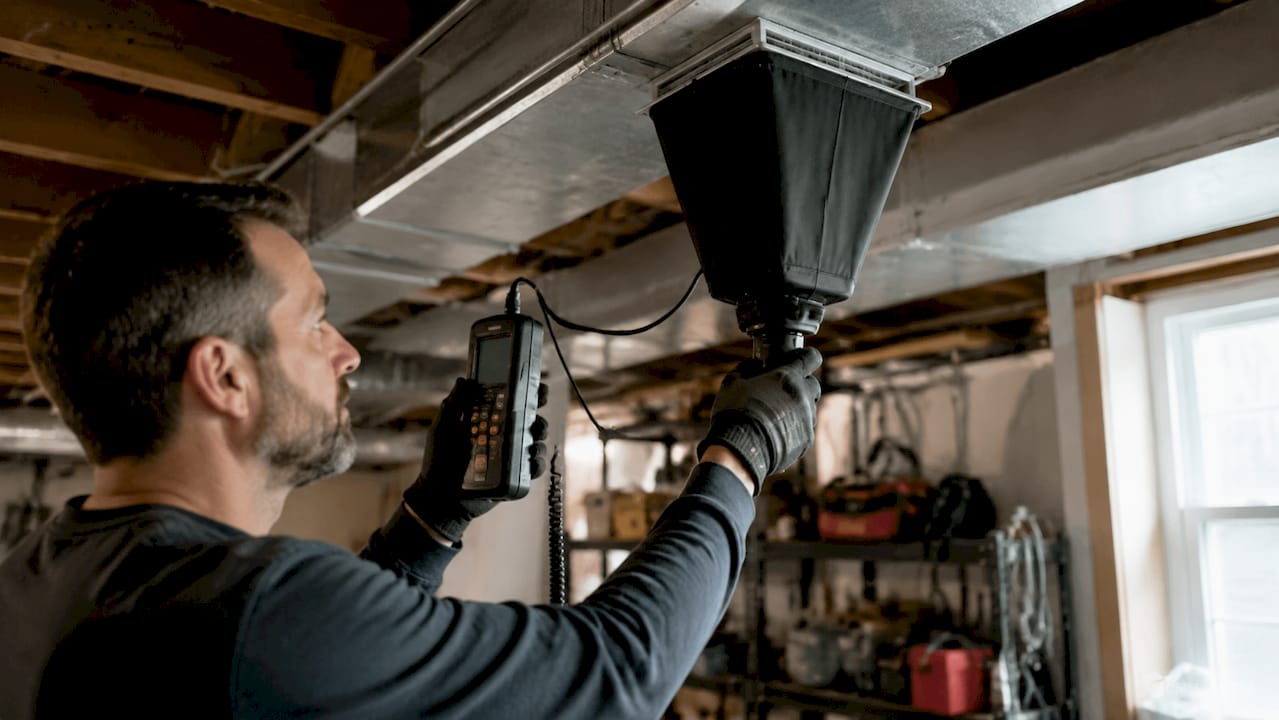
Airflow balancing reduces energy consumption by 15–20% in most homes. That savings comes from the system running fewer cycles to reach the set temperature. Rooms that once stayed five degrees warmer than the rest of the house typically come into range within one or two adjustments.
Pro Tip: Before scheduling airflow balancing, walk your duct runs in the attic and look for flex duct that sags, kinks, or is compressed. Kinked or sagging flex duct reduces airflow by 30–60%, and no amount of damper adjustment will fix a physically blocked duct.
2. What are the benefits of upgrading to a high-efficiency HVAC system?
The federal minimum efficiency rating for new HVAC systems in the South is 14.0 SEER2. Upgrading to an 18 SEER2 model costs a premium of $1,500–$3,000 but saves approximately $130–$200 annually in cooling costs in Southern climates. Over a 15-year system lifespan, that adds up to real money.
For Southwest Florida homes that run air conditioning eight or more months per year, the payback period on a higher-efficiency unit is shorter than the national average. A 16 SEER2 unit hits a practical middle ground for most homes. An 18 SEER2 unit makes the most sense for larger homes or households with high cooling loads.
Key factors that determine whether an upgrade pays off:
- System size: Proper sizing through Manual J load calculations prevents oversizing, which causes short cycling and poor humidity control
- Duct condition: A high-efficiency unit installed on leaking or undersized ducts will not deliver rated performance
- Utility rebates: Florida Power & Light and other regional utilities offer rebates for qualifying high-efficiency installations
- Federal tax credits: The Inflation Reduction Act provides tax credits for qualifying HVAC upgrades through 2032
Proper installation using Manual D duct design is what separates a system that delivers its rated efficiency from one that underperforms from day one. Equipment specs alone do not guarantee comfort. Installation quality does.
| SEER2 Rating | Estimated Annual Savings vs. 14 SEER2 | Best For |
|---|---|---|
| 14 SEER2 | Baseline | Budget replacements |
| 16 SEER2 | Moderate savings | Most Southwest Florida homes |
| 18 SEER2 | $130–$200 per year | Large homes, high usage |
For a deeper look at AC upgrade options tailored to the regional climate, Ultraairswfl covers the key tradeoffs specific to this area.
3. Why does humidity control matter more than temperature in Southwest Florida?
Humidity is the defining comfort factor in Southwest Florida. A home at 78°F with 70% relative humidity feels far worse than one at 78°F with 50% humidity. Variable-speed blowers and energy recovery ventilators (ERVs) improve comfort by reducing indoor humidity without increasing energy use.
The reason variable-speed systems outperform single-stage units in humid climates is run time. A variable-speed blower runs longer at lower speeds, which gives the evaporator coil more time to pull moisture from the air. A single-stage unit blasts cold air, satisfies the thermostat quickly, and shuts off before humidity drops to a comfortable level.
Target indoor relative humidity between 45% and 55% for comfort and to prevent mold growth. A dedicated humidistat gives you direct control over this number, separate from temperature settings.
- ERVs: Exchange stale indoor air with fresh outdoor air while recovering energy from the exhaust stream
- Variable-speed blowers: Run at partial capacity for longer cycles, removing more moisture per hour
- Dedicated humidistats: Control humidity independently from temperature for precise comfort management
- Whole-home dehumidifiers: Add standalone dehumidification capacity for homes with persistent moisture problems
Pro Tip: Set your thermostat fan to “Auto,” not “On.” Running the fan continuously without cooling cycles pulls moisture back off the coil and blows it back into your living space.
Homeowners in humid climates see the greatest comfort improvements by addressing humidity alongside temperature. Temperature alone is not the full picture.
4. How do zoning and smart thermostats enhance HVAC comfort?
HVAC zoning divides your home into separate areas, each controlled independently. A motorized damper in the ductwork opens or closes based on the thermostat reading in that zone. You stop conditioning rooms that are empty, and you stop arguing about the thermostat.
A targeted retrofit with motorized smart vents and zone controllers delivers room-by-room comfort without a full HVAC replacement or ductwork overhaul. This is the most cost-effective path for homes where one or two rooms consistently run hot or cold.
Smart thermostats add another layer of control. Models like the Ecobee SmartThermostat and Google Nest Learning Thermostat learn your schedule and adjust temperatures automatically. Remote access through a smartphone app means you can raise the temperature before you leave for work and cool the house down before you return.
| Feature | Standard Thermostat | Smart Thermostat |
|---|---|---|
| Scheduling | Manual | Adaptive, learns patterns |
| Remote access | None | Full smartphone control |
| Energy reporting | None | Usage data and savings estimates |
| Zoning compatibility | Limited | Full integration with zone systems |
For Southwest Florida homes with two-story layouts or large square footage, zoning combined with a smart thermostat is the single upgrade with the most noticeable daily impact. You get the right temperature in the right room at the right time.
5. What maintenance and duct sealing practices boost HVAC efficiency?
Clean air filters are the most overlooked factor in HVAC system efficiency. A dirty filter restricts airflow and forces the system to work harder to move the same volume of air. Dirty filters reduce HVAC efficiency significantly and require the system to run longer to reach the set temperature. Replace 1-inch filters every 30 days and 4-inch media filters every 90 days in Southwest Florida’s dusty, pollen-heavy environment.
Duct leakage is a hidden efficiency killer. Sealing leaking ducts improves HVAC efficiency and comfort by preventing air loss and stabilizing airflow to rooms. A duct system losing 20% of its air to the attic is essentially throwing money into an unconditioned space.
Key maintenance steps every Southwest Florida homeowner should follow:
- Replace air filters on schedule. Mark the date on the filter when you install it.
- Keep at least 6 inches of clearance around all supply and return vents. Furniture or curtains blocking vents reduce airflow and create pressure imbalances.
- Inspect visible duct runs twice a year. Look for disconnected joints, tears in flex duct, or sections that have pulled loose from registers.
- Schedule a professional maintenance visit each fall. A technician checks refrigerant levels, cleans coils, and tests electrical connections before the heating season.
- Seal small duct leaks with mastic sealant. Mastic outlasts foil tape and stays flexible through temperature swings.
Pro Tip: Use mastic sealant for any DIY duct repairs you can reach. Foil tape works short-term but dries out and peels within a few years. For leaks inside walls or in hard-to-reach attic runs, hire a professional with a duct blaster test to locate and seal the problem properly.
For more on how HVAC insulation improvements contribute to overall system performance, Ultraairswfl covers the regional specifics in detail.
6. How does proper HVAC sizing affect comfort and operating costs?
Oversized HVAC units cause frequent short cycling, poor humidity control, and higher operating costs. This is one of the most common mistakes made during system replacement in Southwest Florida. A unit that is too large cools the air temperature quickly but shuts off before removing enough moisture, leaving the home feeling clammy even at 72°F.
Manual J load calculations determine the correct system size for your specific home. The calculation accounts for square footage, ceiling height, insulation levels, window area, and local climate data. A contractor who sizes a system by square footage alone, without a Manual J, is guessing.
The right-sized system runs longer cycles at lower capacity. Longer run times mean more moisture removal, more even temperatures, and less wear on the compressor from repeated starts. For Southwest Florida homes, proper sizing is not optional. It is the foundation every other upgrade depends on.
7. What role does indoor air quality play in overall HVAC comfort?
Indoor air quality and HVAC comfort are directly connected. A system that circulates dust, mold spores, or volatile organic compounds makes a home feel stuffy and unpleasant regardless of the temperature. Improving indoor air quality through filtration and ventilation upgrades addresses the part of comfort that temperature control alone cannot fix.
MERV 11 to MERV 13 filters capture the particles that cause respiratory irritation without restricting airflow the way HEPA filters do in residential systems. UV air purifiers installed on the air handler kill mold and bacteria on the evaporator coil, which is a persistent problem in Southwest Florida’s humidity. ERVs bring in fresh outside air while exhausting stale indoor air, preventing the sealed-home staleness that builds up in tightly insulated houses.
For homeowners dealing with allergy or asthma symptoms, a home air quality test in Naples identifies the specific pollutants present before you invest in filtration upgrades.
Key takeaways
The most cost-effective path to HVAC comfort in Southwest Florida starts with airflow balancing and duct maintenance, then adds equipment upgrades and humidity control based on your home’s specific needs.
| Point | Details |
|---|---|
| Airflow balancing first | A $400–$600 airflow balance resolves uneven temperatures in 80% of homes before any equipment upgrade. |
| Efficiency upgrades pay over time | Upgrading to 18 SEER2 saves $130–$200 annually, with payback accelerated by Florida’s long cooling season. |
| Humidity is the real comfort driver | Variable-speed blowers and ERVs reduce indoor humidity, which matters more than temperature in Southwest Florida. |
| Zoning targets comfort precisely | Motorized dampers and smart thermostats stop conditioning unused rooms and eliminate hot and cold spots. |
| Maintenance protects every investment | Clean filters, sealed ducts, and annual inspections preserve system efficiency and extend equipment life. |
What I’ve learned after years of Southwest Florida HVAC work
Most homeowners call about comfort problems expecting the answer to be a new system. The real answer is usually airflow. I have seen $15,000 high-efficiency systems installed in homes with kinked flex duct, blocked return vents, and no airflow balancing. Those systems perform worse than a properly maintained 10-year-old unit would.
The order of operations matters. Fix the duct system first. Balance the airflow. Then decide whether the equipment needs replacing. Skipping straight to equipment is expensive and often disappointing.
Humidity is the second thing most homeowners underestimate. A home at 76°F and 65% humidity feels worse than one at 78°F and 48% humidity. If your system is not running long enough to pull moisture out of the air, no thermostat setting will make you comfortable. Variable-speed equipment and proper sizing solve this. Oversized single-stage units make it worse.
The HVAC trends shaping Florida homes in 2026 point toward variable-speed systems, smarter controls, and better indoor air quality as the three areas with the most room for improvement. That matches what I see in the field. The homeowners who get the best results plan their upgrades in phases, fix the fundamentals first, and choose equipment that fits the actual load of their home.
— albert
How Ultraairswfl helps Southwest Florida homeowners get real comfort
Ultraairswfl serves Naples, Cape Coral, and Fort Myers homeowners with the full range of HVAC improvements covered in this article. The team performs professional airflow balancing, high-efficiency system installation, humidity control solutions, zoning retrofits, and duct sealing. Every service starts with an accurate assessment of what your home actually needs, not a sales pitch for the most expensive equipment.
If your home has hot rooms, high humidity, or energy bills that keep climbing, a comfort audit is the right first step. Ultraairswfl’s heating solutions for Southwest Florida cover the full picture from diagnosis to installation. Schedule a consultation and get a clear plan for your home’s specific needs.
FAQ
What is the fastest way to fix uneven temperatures at home?
Professional airflow balancing resolves uneven temperatures in 80% of homes at a cost of $400–$600. It is the fastest and most cost-effective fix before considering any equipment replacement.
How often should I replace my HVAC air filter in Southwest Florida?
Replace 1-inch filters every 30 days and 4-inch media filters every 90 days. Southwest Florida’s heat, humidity, and pollen load clog filters faster than in cooler climates.
Does a higher SEER2 rating always mean better comfort?
A higher SEER2 rating improves efficiency, but comfort depends more on proper sizing, duct condition, and installation quality. A poorly installed 18 SEER2 unit will underperform a correctly installed 14 SEER2 unit.
What indoor humidity level is comfortable in Southwest Florida?
Target indoor relative humidity between 45% and 55%. Above 60%, mold growth accelerates and the air feels heavy regardless of the temperature setting.
Is HVAC zoning worth the cost for a single-story home?
Zoning adds the most value in homes with multiple occupants, large square footage, or rooms that consistently run warmer than others. A motorized smart vent retrofit costs less than a full zone system and delivers measurable comfort improvements without replacing ductwork.