
A commercial heating upgrade is defined as the planned replacement or modernization of a building’s heating infrastructure to improve energy performance, reduce operating costs, and meet current regulatory standards. Heating, cooling, and ventilation account for over 50% of energy use in commercial buildings. That single fact makes your heating system one of the highest-leverage investments you can make as a property manager or business owner. A well-executed upgrade can cut utility costs by 20–40%, extend equipment life, and position your property for tighter environmental regulations ahead. This business heating system upgrade guide walks you through every phase, from initial assessment to long-term maintenance, so you make the right call at every step.
What does a business heating system upgrade guide cover?
A structured commercial heating upgrade starts with understanding what you currently have and what your building actually needs. Skipping this step is the most expensive mistake property managers make. You may replace a system that was already oversized, or install new equipment into a building envelope that leaks heat through every wall joint.
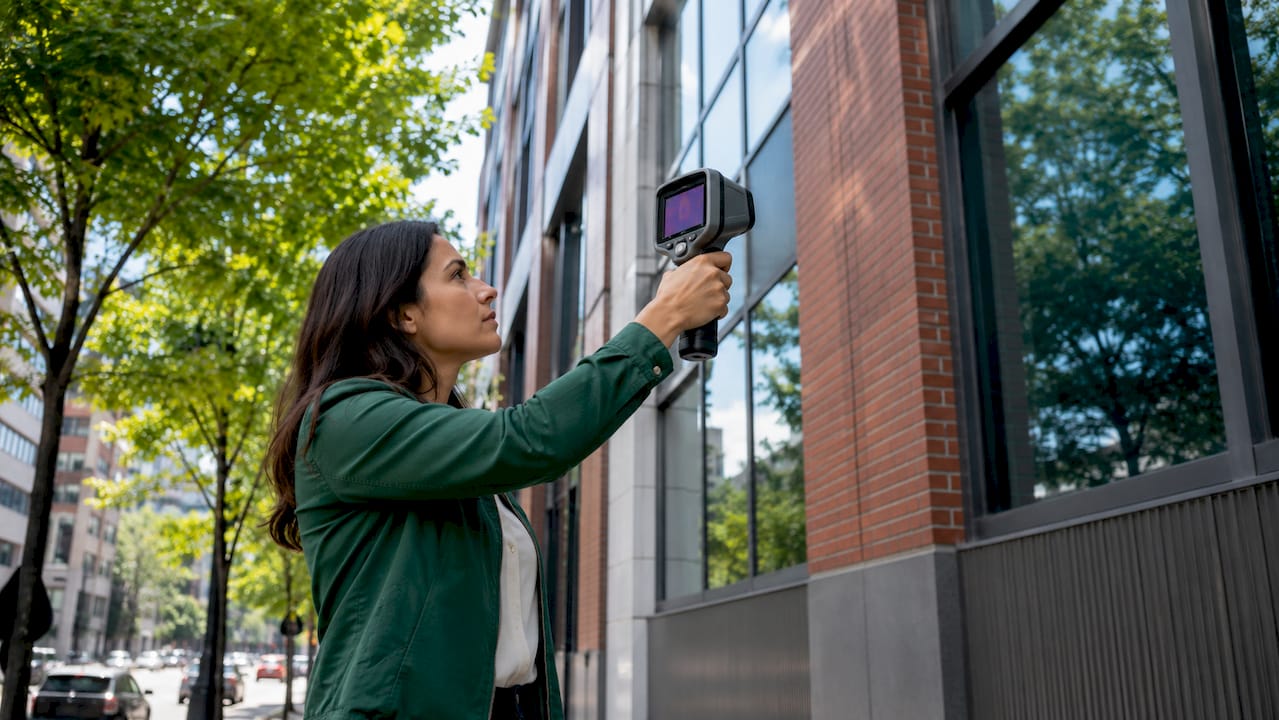
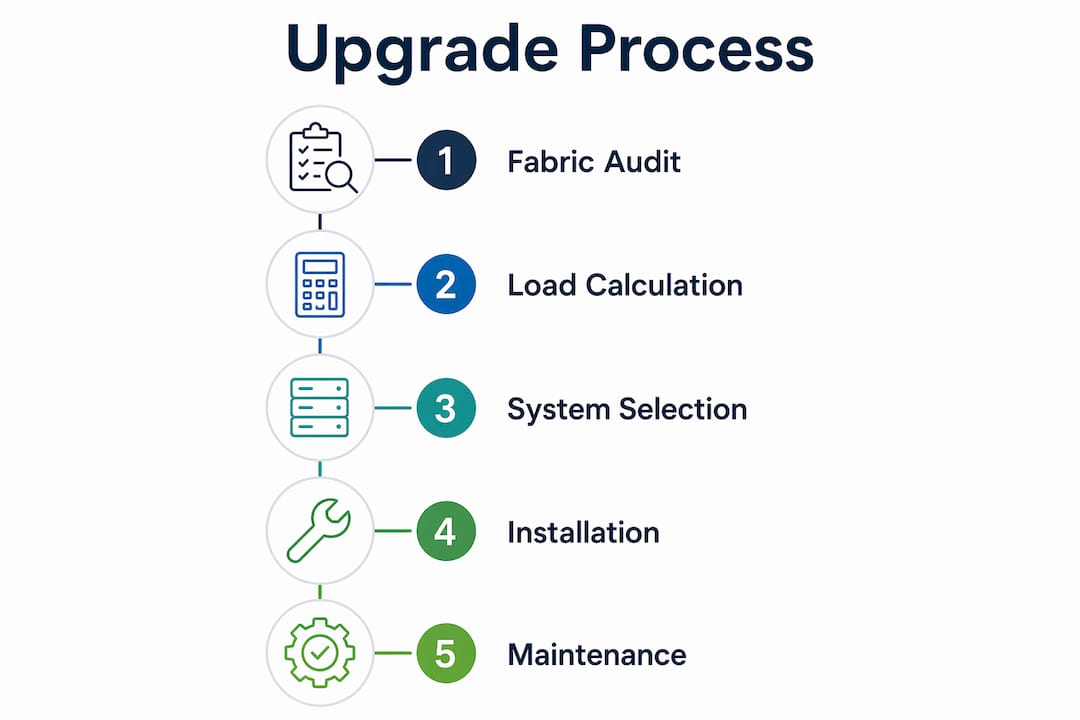
Conducting a fabric-first audit
A fabric-first audit addresses insulation, glazing, and draft-proofing before any equipment decision is made. This approach can shrink your required heating capacity and reduce capital expenditure significantly. A smaller, correctly sized system costs less to buy, install, and run. Start here before you request a single equipment quote.
Performing an ASHRAE-compliant load calculation
Properly sized HVAC equipment can reduce both capital and utility costs by 15–25%. Incorrect sizing causes premature equipment failure and wastes energy every operating hour. ASHRAE load calculation standards are the recognized benchmark for commercial sizing. Ultraairswfl uses these standards on every commercial assessment to avoid the costly errors that come from guesswork sizing.
Key signs your current system needs replacement or major upgrade:
- Uneven temperatures across zones or floors
- Heating bills that have risen year over year without a usage increase
- Equipment age beyond 15 years for boilers or 10–12 years for packaged rooftop units
- Frequent repair calls in the past 18 months
- Inability to meet current energy codes or local compliance requirements
Pro Tip: Before calling any contractor, pull your last 12 months of utility bills and map your highest-cost months against occupancy data. That pattern tells you exactly where your system is failing.
How do you choose the right heating system for a commercial property?
The right system depends on your building size, occupancy pattern, fuel source availability, and efficiency targets. Three broad categories cover most commercial applications: boiler-based hydronic systems, packaged rooftop units, and heat pump systems. Each carries different efficiency ratings and lifecycle costs.
Energy ratings you need to understand:
- AFUE (Annual Fuel Utilization Efficiency): Measures how efficiently a boiler or furnace converts fuel to heat. A rating of 90 AFUE means 90 cents of every dollar spent on fuel becomes usable heat.
- SEER (Seasonal Energy Efficiency Ratio): Applies to cooling output but matters for combined HVAC systems.
- EER (Energy Efficiency Ratio): Measures efficiency at a fixed operating condition, useful for comparing equipment under peak load.
| System category | Best use case | Efficiency range | Key advantage |
|---|---|---|---|
| High-efficiency boiler | Large multi-zone buildings | 85–98 AFUE | Precise zone control, long lifespan |
| Packaged rooftop unit | Mid-size retail or office | Varies by model | Single-point installation, lower upfront cost |
| Commercial heat pump | Mild climates, ESG-focused | High SEER/EER | Dual heating and cooling, lower emissions |
| Hydronic radiant system | Warehouses, open-plan spaces | High efficiency | Even heat distribution, quiet operation |
Upgrading to high-efficiency boilers and chillers delivers 20–30% energy savings and improves compliance with evolving environmental regulations. That savings range compounds over a 15-year equipment lifespan into a substantial return on investment. Commercial HVAC best practices for your region also factor into which system performs best year-round.
Pro Tip: Ask your contractor to run a lifecycle cost analysis, not just an installation quote. A system that costs $8,000 more upfront but saves $2,500 per year pays back in under four years.
How do you plan and execute installation with minimal disruption?
Installation is where most commercial heating projects go over budget or over schedule. A plan-and-spec approach, where every detail is documented before work begins, is the standard that protects you from both outcomes.
-
Commission a full site assessment. Document existing ductwork, piping, electrical capacity, and structural access points before any contractor submits a bid. This prevents scope creep once demolition starts.
-
Vet contractors thoroughly. Verify state licensing, insurance certificates, and manufacturer certifications for the equipment you plan to install. Ask for references from commercial projects of similar size, not residential jobs.
-
Schedule for off-hours or phased work. A phased schedule minimizes tenant downtime and maintains business continuity during installation. For occupied buildings, negotiate zone-by-zone completion so at least part of the space stays climate-controlled throughout.
-
Budget a contingency fund. Unexpected issues like hidden piping leaks or corroded ductwork arise during demolition on nearly every retrofit project. A contingency fund of 10–20% of total project cost prevents work stoppages and unplanned financing.
-
Confirm code compliance and commissioning. After installation, a formal commissioning process verifies that every component operates to design specifications. This step is not optional. It protects your warranty and satisfies local building code inspections.
Commercial HVAC replacement costs range from $25 to $40 per square foot, with packaged rooftop unit replacements typically running $15,000 to $50,000 installed. Knowing that range before you solicit bids puts you in a far stronger negotiating position. Understanding the full HVAC retrofit process also helps you ask the right questions during contractor interviews.
Pro Tip: Request that your contractor provide a written commissioning report, not just a verbal sign-off. That document becomes critical if equipment performance falls short in the first operating season.
What does ongoing maintenance look like after a commercial heating upgrade?
A new system delivers peak efficiency only when it receives consistent maintenance. Most commercial property managers underestimate how quickly a neglected system loses the efficiency gains that justified the upgrade in the first place.
A practical maintenance program covers these areas:
- Filter replacement and coil cleaning: Schedule quarterly at minimum, monthly in high-occupancy or dusty environments. Dirty filters force the system to work harder and raise energy consumption measurably.
- Smart thermostat and building automation integration: Programmable controls that respond to occupancy schedules can reduce heating runtime during unoccupied hours. This is one of the fastest payback improvements available after installation.
- Annual professional inspection: A licensed technician checks heat exchangers, burner assemblies, refrigerant levels, and electrical connections. Catching a cracked heat exchanger early costs far less than an emergency replacement.
- Energy use tracking: Monitor monthly consumption against the same period in prior years. A sudden increase signals a developing problem before it becomes a failure.
- Regulatory review: Energy codes and environmental standards tighten regularly. Build a review of applicable local and federal requirements into your annual planning cycle so future upgrades are anticipated, not reactive.
Commercial heating upgrades support ESG goals by reducing carbon emissions, improving indoor air quality, and managing regulatory risk. Tenants and investors increasingly factor these metrics into leasing and financing decisions. A well-maintained, efficient system is a documented asset, not just an operational necessity.
Key Takeaways
A commercial heating upgrade delivers the strongest return when it combines a fabric-first audit, ASHRAE-compliant sizing, phased installation, and a structured maintenance program.
| Point | Details |
|---|---|
| Start with a fabric-first audit | Reduce heating demand and system size before selecting any equipment. |
| Size to ASHRAE standards | Correct sizing cuts capital and utility costs by 15–25% and prevents premature failure. |
| Budget a 10–20% contingency | Hidden issues during demolition are common; contingency funds prevent project delays. |
| Use phased installation scheduling | Zone-by-zone work keeps your building operational throughout the upgrade. |
| Maintain consistently after upgrade | Smart controls, quarterly filter changes, and annual inspections protect your efficiency gains. |
Why I think most businesses treat heating upgrades the wrong way
Most property managers approach a heating upgrade the same way they approach a broken pipe: fix it fast, spend as little as possible, and move on. That mindset costs far more over a decade than the money it saves upfront.
Viewing HVAC upgrades as capital investments with strong payback periods changes every decision in the process. You stop comparing bids on installation price alone and start comparing them on lifecycle cost, warranty terms, and contractor track record. That shift alone tends to produce better equipment choices and better contractors.
The ESG angle is also underused. Heating upgrades that reduce carbon emissions and improve indoor air quality are increasingly valued by tenants, lenders, and insurers. A property with documented energy performance improvements commands higher rents and faces fewer regulatory surprises. That is a financial argument, not just an environmental one.
One thing I have seen repeatedly: owners who skip the fabric-first audit end up installing a correctly rated system into a building that still leaks heat through poorly insulated walls and single-pane glazing. The new equipment runs constantly trying to compensate. The bills barely drop. The audit would have cost a fraction of the savings it unlocks.
Partner with a provider who treats the assessment as seriously as the installation. The diagnosis is where the value is created.
— albert
Ultraairswfl can support your commercial heating upgrade
Commercial heating upgrades require more than new equipment. They require a provider who understands load calculations, phased scheduling, and the specific demands of your building type.
Ultraairswfl serves business owners and property managers across Naples, Cape Coral, and Fort Myers with commercial HVAC installation, assessment, and maintenance services. Their office HVAC installation guide gives facility managers a practical framework for planning every phase of a commercial heating project. For property managers ready to evaluate system options, Ultraairswfl’s heating solutions for commercial properties covers the full range of available systems with guidance on selecting the right fit for your building. Contact Ultraairswfl to schedule a commercial assessment and get a clear picture of your upgrade options before committing to any equipment.
FAQ
What percentage of commercial energy use comes from heating?
Heating, cooling, and ventilation account for over 50% of energy use in commercial buildings. Heating alone represents the largest single share of that total in most climates.
How much can a commercial heating upgrade save on energy costs?
A well-planned commercial heating upgrade can reduce utility costs by 20–40%. High-efficiency boiler replacements specifically deliver 20–30% energy savings compared to aging equipment.
What is a fabric-first audit and why does it matter?
A fabric-first audit evaluates insulation, glazing, and draft-proofing before any equipment is selected. It reduces the required heating capacity, which lowers both installation costs and ongoing energy bills.
How much should I budget for a commercial HVAC replacement?
Commercial HVAC replacement costs range from $25 to $40 per square foot. Budget an additional 10–20% contingency for unexpected issues like corroded ductwork or hidden piping leaks discovered during installation.
How often should a commercial heating system be professionally inspected?
A licensed technician should inspect commercial heating systems at least once per year. Annual inspections catch developing issues, protect equipment warranties, and confirm the system meets current energy codes.