

Heating accounts for about 29% of average U.S. utility bills, making your choice of heating system one of the most consequential decisions you will make as a homeowner or property manager. The right system depends on your climate, existing infrastructure, and energy goals. Efficiency metrics like AFUE (Annual Fuel Utilization Efficiency) and COP (Coefficient of Performance) vary dramatically across system types. Combining an equipment upgrade with home envelope improvements like insulation and air sealing can cut heating costs by up to 30%.
1. The full heating system options list: what’s available today
The residential and commercial heating market offers more than a dozen distinct system types. Each one suits a different combination of climate, building type, fuel availability, and budget. The categories below cover every major option you are likely to encounter when evaluating your next installation or upgrade.
2. Gas furnaces
Gas furnaces are the most widely installed central heating system in the United States. They burn natural gas to heat air, then push that air through ductwork to every room. Modern gas furnaces reach 80–98% AFUE, meaning nearly all the fuel converts to usable heat. High-efficiency condensing furnaces sit at the top of that range and qualify for federal tax credits.
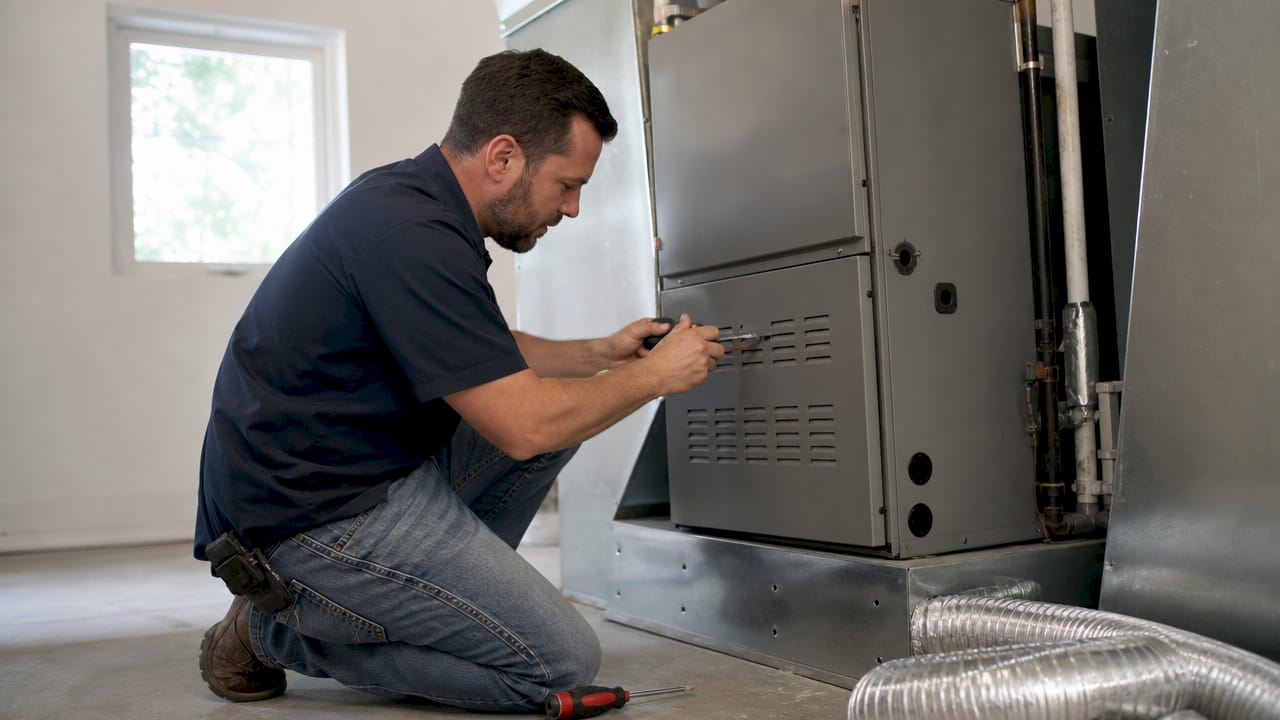
Gas furnaces work best in climates with cold winters and low natural gas prices. They heat spaces quickly and handle extreme cold without performance loss. The main drawback is fuel dependency. If gas prices rise or supply is interrupted, your operating costs follow.
3. Oil furnaces
Oil furnaces operate on the same forced-air principle as gas models but burn heating oil instead. They are common in the Northeast where natural gas infrastructure is limited. AFUE ratings for oil furnaces typically fall in the 80–90% range. Fuel storage requires an on-site tank, which adds installation complexity and periodic delivery logistics.
Oil prices fluctuate more than natural gas prices, which makes long-term cost planning harder. Homeowners in oil-dependent regions often consider switching to heat pumps or dual-fuel systems when their current furnace reaches end of life.
4. Electric furnaces
Electric furnaces use resistance heating coils to warm air. They are simple, inexpensive to install, and require no fuel line or storage tank. Electric resistance heating is fixed at 100% efficiency, meaning every unit of electricity becomes heat. That sounds good until you compare it to heat pumps, which deliver 200–400% efficiency by moving heat rather than generating it.
Electric furnaces make sense where electricity rates are low or as a backup system. In most U.S. markets, running an electric furnace as a primary heat source costs significantly more per month than gas or a heat pump.
Pro Tip: If you already have ductwork and are replacing an electric furnace, an air-source heat pump paired with your existing ducts is almost always the more cost-effective upgrade path.
5. Boilers
Boilers heat water or produce steam and distribute it through radiators, baseboard heaters, or radiant floor systems. They are common in older homes and multi-unit buildings. Gas boilers typically achieve 80–95% AFUE. Boilers with thermostatic radiator valves can save meaningful energy in partial renovations without requiring a full system replacement.
Boilers produce no forced air, which means no ductwork and no air distribution noise. Homeowners with allergies often prefer them because they do not circulate dust. The downside is that adding cooling requires a separate system entirely.
6. Air-source heat pumps
Air-source heat pumps move heat between the outdoors and indoors rather than generating it. In heating mode, they extract heat from outside air and deliver it inside. Heat pumps deliver 200–400% COP, meaning they produce two to four units of heat for every unit of electricity consumed. That efficiency advantage makes them the lowest-cost-to-run option in mild to moderate climates.
Heat pumps perform best in mild to mixed climates where temperatures rarely drop below 15°F. Newer cold-climate models extend that range significantly. For homeowners in Southwest Florida and similar mild regions, a heat pump is almost always the right primary system.
7. Geothermal heat pumps
Geothermal heat pumps use the stable temperature of the earth below the frost line as their heat source. They are the most efficient heating technology available. Installation costs are the highest of any system type, with geothermal systems running considerably more upfront than air-source alternatives. Operating costs, however, are the lowest of any system over a full lifecycle.
Geothermal systems suit homeowners planning to stay in a property for 15 or more years and who have the land area for ground loops. They are less practical for urban lots or properties with limited outdoor space.
8. Ductless mini-splits
Ductless mini-splits are air-source heat pumps without ductwork. An outdoor compressor connects to one or more indoor air handlers mounted on walls or ceilings. They are the standard solution for home additions, converted garages, older homes without ducts, and commercial spaces needing zone control. Each indoor unit operates independently, so you heat only the rooms in use.
Mini-splits also provide cooling, making them a true year-round system. Installation is less invasive than adding ductwork, and efficiency ratings are high. The upfront cost per zone is higher than adding a duct register, but the energy savings offset that over time.
9. Radiant floor heating
Radiant floor heating runs hot water through tubing embedded in the floor or uses electric resistance mats beneath flooring. Heat rises evenly from the floor surface, eliminating cold spots and drafts. Radiant floor heating works best in new construction or full renovations where the floor can be opened up for installation.
Pairing radiant floors with a heat pump boiler (hydronic heat pump) produces a highly efficient, low-carbon system. The combination suits new, well-insulated homes where the lower water temperatures of heat pumps match the design requirements of radiant systems.
10. Packaged HVAC units
Packaged units combine heating and cooling components into a single cabinet installed outside the building. They are common in commercial buildings, manufactured homes, and properties where indoor mechanical space is limited. All components sit outdoors, which frees up interior square footage. Packaged units can run on gas, electric, or heat pump technology.
Maintenance is straightforward because all components are in one accessible location. Efficiency ratings are generally competitive with split systems. For property managers overseeing multiple units, packaged systems simplify service scheduling.
11. Wood and pellet stoves
Wood and pellet stoves burn biomass fuel and can serve as primary or supplementary heat sources. Pellet stoves are more automated, feeding fuel from a hopper and maintaining consistent output. Wood stoves require manual loading and more attention. Both qualify as renewable fuel options when sourced responsibly.
The practical limitation is maintenance. Stoves require regular cleaning, ash removal, and chimney inspections. They also depend on fuel storage space and local supply availability. Most homeowners use them as zone heaters or backup systems rather than whole-house primary heat.
12. Fireplaces
Traditional fireplaces provide ambiance more reliably than heat. An open masonry fireplace actually draws warm air out of the room and up the chimney, making the rest of the house colder. Gas fireplaces and sealed wood-burning inserts perform better, but they still function best as supplementary comfort features rather than primary heating systems.
If you have an existing fireplace, a sealed insert dramatically improves its efficiency. Without an insert, keep the damper closed when the fireplace is not in use.
13. Dual-fuel (hybrid) systems
Dual-fuel systems pair an air-source heat pump with a gas furnace backup. The heat pump handles heating during mild weather when it operates most efficiently. When temperatures drop below the heat pump’s efficient range, the gas furnace takes over automatically. This combination delivers the efficiency of a heat pump most of the time with the reliability of a furnace during extreme cold.
Dual-fuel systems are the practical answer for homeowners in mixed climates who want lower operating costs without sacrificing performance on the coldest days. They are also a strong upgrade path for homes that already have a gas furnace and ductwork.
14. Active solar heating
Active solar heating systems use solar collectors on the roof to capture heat and transfer it to air or liquid distribution systems inside the building. They reduce dependence on conventional fuel sources and lower operating costs. They work best as supplementary systems paired with a conventional backup, since solar availability varies by season and weather.
Upfront installation costs are significant, but federal and state incentives reduce the net investment. For homeowners focused on eco-friendly HVAC options, active solar heating paired with a heat pump represents one of the lowest-carbon configurations available.
15. Comparing heating systems: cost, efficiency, and climate fit
Choosing between system types requires matching three variables: upfront cost, operating efficiency, and climate suitability. The table below organizes the main options across those dimensions.
| System type | Efficiency metric | Best climate | Relative upfront cost |
|---|---|---|---|
| Gas furnace | 80–98% AFUE | Cold winters | Moderate |
| Oil furnace | 80–90% AFUE | Cold, limited gas supply | Moderate |
| Electric furnace | 100% AFUE | Mild, low electricity rates | Low |
| Air-source heat pump | 200–400% COP | Mild to mixed | Moderate |
| Geothermal heat pump | Highest COP | Any climate | High |
| Ductless mini-split | 200–400% COP | Mild to mixed, no ducts | Moderate per zone |
| Radiant floor | Varies by source | New construction | High |
| Dual-fuel hybrid | Combined | Mixed climates | Moderate to high |
| Boiler | 80–95% AFUE | Cold, existing radiators | Moderate |
Retrofitting a completely different system type is almost always more expensive and complex than upgrading within your existing infrastructure. If you have ductwork, a heat pump or high-efficiency furnace is the most cost-effective upgrade. If you have a boiler system, upgrading the boiler or adding thermostatic valves delivers faster payback than switching to forced air.
Whole-house improvements including insulation and air sealing must come before or alongside any system upgrade. A high-efficiency furnace in a poorly insulated house still loses heat through the walls. Sealing the envelope first reduces the load on any system you install.
Pro Tip: Before getting quotes on a new system, check your home energy efficiency checklist to identify insulation and air sealing gaps. Fixing those first often reduces the size and cost of the heating system you need.
Key takeaways
The most cost-effective heating system matches your existing infrastructure, climate zone, and energy goals rather than chasing the highest-rated technology in isolation.
| Point | Details |
|---|---|
| Heating drives energy costs | Heating accounts for about 29% of average U.S. utility bills, making system choice a major financial decision. |
| Efficiency metrics differ by type | Use AFUE for furnaces and boilers; use COP for heat pumps. Higher numbers mean lower operating costs. |
| Climate determines the best fit | Heat pumps lead in mild climates; gas furnaces outperform in severe cold with low gas prices. |
| Dual-fuel systems balance both | Hybrid heat pump and furnace systems deliver efficiency in mild weather and reliability in extreme cold. |
| Envelope improvements come first | Insulation and air sealing reduce heating demand and maximize the return on any system upgrade. |
What I’ve learned after years of watching homeowners choose the wrong system
The most common mistake I see is homeowners chasing the highest-efficiency rating without accounting for their existing setup. A geothermal system is technically the most efficient option available. It is also the wrong choice for a homeowner who plans to move in five years or whose lot cannot accommodate ground loops.
The best heating system is not universal. It is the one that fits your climate, your building, and your timeline. For most homes with existing ductwork, a dual-fuel system or a high-efficiency heat pump is the practical answer. It uses what you already have and cuts operating costs without a full infrastructure overhaul.
The other thing most articles skip is thermostat behavior. Improper thermostat use on heat pumps, like dropping the temperature significantly when you leave and then cranking it back up, triggers emergency resistance heat. That mode is expensive. Set your heat pump to a consistent temperature and use a programmable schedule with modest setbacks, not dramatic swings.
My honest recommendation for mixed-climate homeowners is the dual-fuel hybrid. It gives you heat pump efficiency for the 80% of heating days that are mild and gas furnace reliability for the 20% that are brutal. That split is where the real savings live.
— albert
Heating system upgrades with Ultraairswfl
Selecting the right system from this list is only half the decision. Professional installation and proper sizing determine whether that system actually delivers the efficiency its specs promise.
Ultraairswfl serves homeowners and property managers across Naples, Cape Coral, and Fort Myers with heating system installations, upgrades, and maintenance. Whether you are replacing an aging furnace, adding a ductless mini-split to a new addition, or planning a full business heating system upgrade, Ultraairswfl provides assessments tailored to your building and climate. The team also covers HVAC system selection for Florida’s specific conditions, where heat pump performance and cooling integration matter year-round. Contact Ultraairswfl to schedule a site assessment and get a system recommendation matched to your property.
FAQ
What is the most energy efficient heating system?
Geothermal heat pumps deliver the highest efficiency of any heating technology, followed closely by air-source heat pumps with COP ratings of 200–400%. The best choice for your property depends on climate and installation feasibility.
How do I choose a heating system for my home?
Match the system to your climate, existing infrastructure, and budget. Homes with ductwork benefit most from furnace or heat pump upgrades; homes without ducts are strong candidates for ductless mini-splits or radiant systems.
What does AFUE mean for furnaces?
AFUE stands for Annual Fuel Utilization Efficiency. A 95% AFUE furnace converts 95 cents of every dollar of fuel into usable heat, with 5 cents lost through exhaust.
Are dual-fuel heating systems worth the cost?
Dual-fuel systems are worth the investment in mixed climates where temperatures vary widely. They use heat pump efficiency during mild weather and switch to gas backup during extreme cold, reducing operating costs without sacrificing comfort.
Does home insulation affect heating system performance?
Insulation and air sealing directly reduce heating demand, which means your system runs less and lasts longer. Improving the home envelope before upgrading equipment is the most cost-effective sequence for any heating project.